/filters:format(jpeg,png)/fit-in/300x300/guide_websites/132277/images/1777092540046logo.png)
/filters:format(jpeg,png)/fit-in/237x80/guide_websites/132277/images/1777092540046logo.png)
/users/dbf1edd8-e314-4efb-bc6e-4b87194fc442/ratecard/573849820_122127710732972528_4994029063130026032_n-mqt7zhpn.jpg)
%2F300x300%2Fusers%2Fdbf1edd8-e314-4efb-bc6e-4b87194fc442%2Fratecard%2F573849820_122127710732972528_4994029063130026032_n-mqt7zhpn.jpg&w=256&q=75)
%2F300x300%2Fusers%2Fdbf1edd8-e314-4efb-bc6e-4b87194fc442%2Fimages%2Fcharter-captain-pointing-marina-dock-2564.jpg&w=256&q=75)
%2F300x300%2Fusers%2Fdbf1edd8-e314-4efb-bc6e-4b87194fc442%2Fimages%2Fjet-ski-fishing-boat-water-2555.jpg&w=256&q=75)
%2F300x300%2Fusers%2Fdbf1edd8-e314-4efb-bc6e-4b87194fc442%2Fimages%2Ffishing-boat-electronics-setup-2508.jpg&w=256&q=75)
%2F300x300%2Fusers%2Fdbf1edd8-e314-4efb-bc6e-4b87194fc442%2Fimages%2Ffishing-boat-water-adventure-ready-2620.jpg&w=256&q=75)
%2F300x300%2Fusers%2Fdbf1edd8-e314-4efb-bc6e-4b87194fc442%2Fimages%2Fsea-lion-resting-marina-dock-2642.jpg&w=256&q=75)
%2F300x300%2Fusers%2Fdbf1edd8-e314-4efb-bc6e-4b87194fc442%2Fimages%2Fmarina-bay-pier-sign-2573.jpg&w=256&q=75)
%2F300x300%2Fusers%2Fdbf1edd8-e314-4efb-bc6e-4b87194fc442%2Fimages%2Fcharter-boat-captain-ready-adventure-2493.jpg&w=256&q=75)
%2F300x300%2Fusers%2Fdbf1edd8-e314-4efb-bc6e-4b87194fc442%2Fimages%2Fmarina-boats-ready-for-adventure-2525.jpg&w=256&q=75)
%2F300x300%2Fusers%2Fdbf1edd8-e314-4efb-bc6e-4b87194fc442%2Fimages%2Fpontoon-boat-docked-at-pier-2574.jpg&w=256&q=75)
%2F300x300%2Fusers%2Fdbf1edd8-e314-4efb-bc6e-4b87194fc442%2Fimages%2Fmarina-pontoon-adventure-2516.jpg&w=256&q=75)
Half Day Red Snapper & Grouper Wreck Fishing
 Fort Walton Beach, FL
What you will be catching:
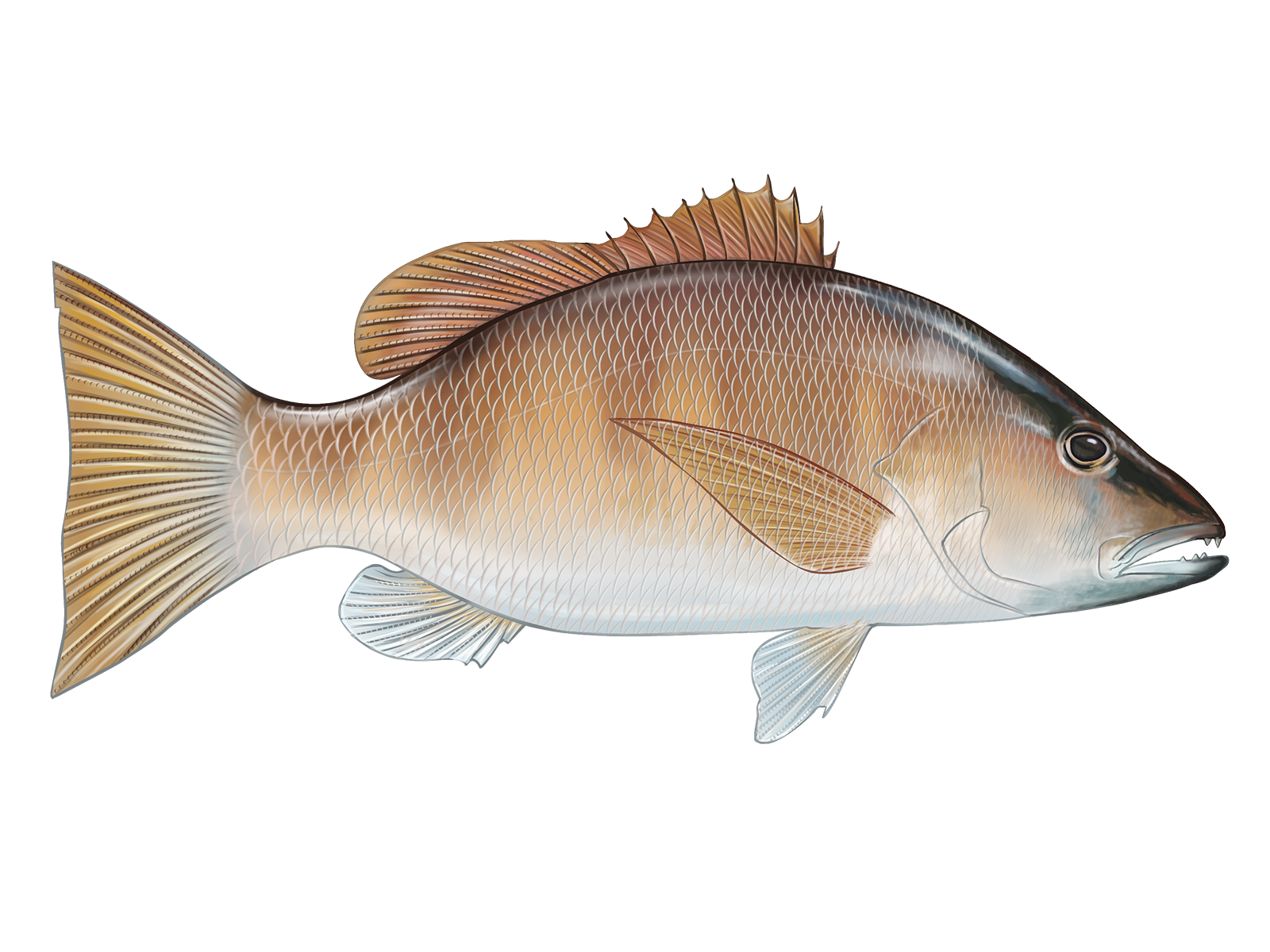 Grey Snapper
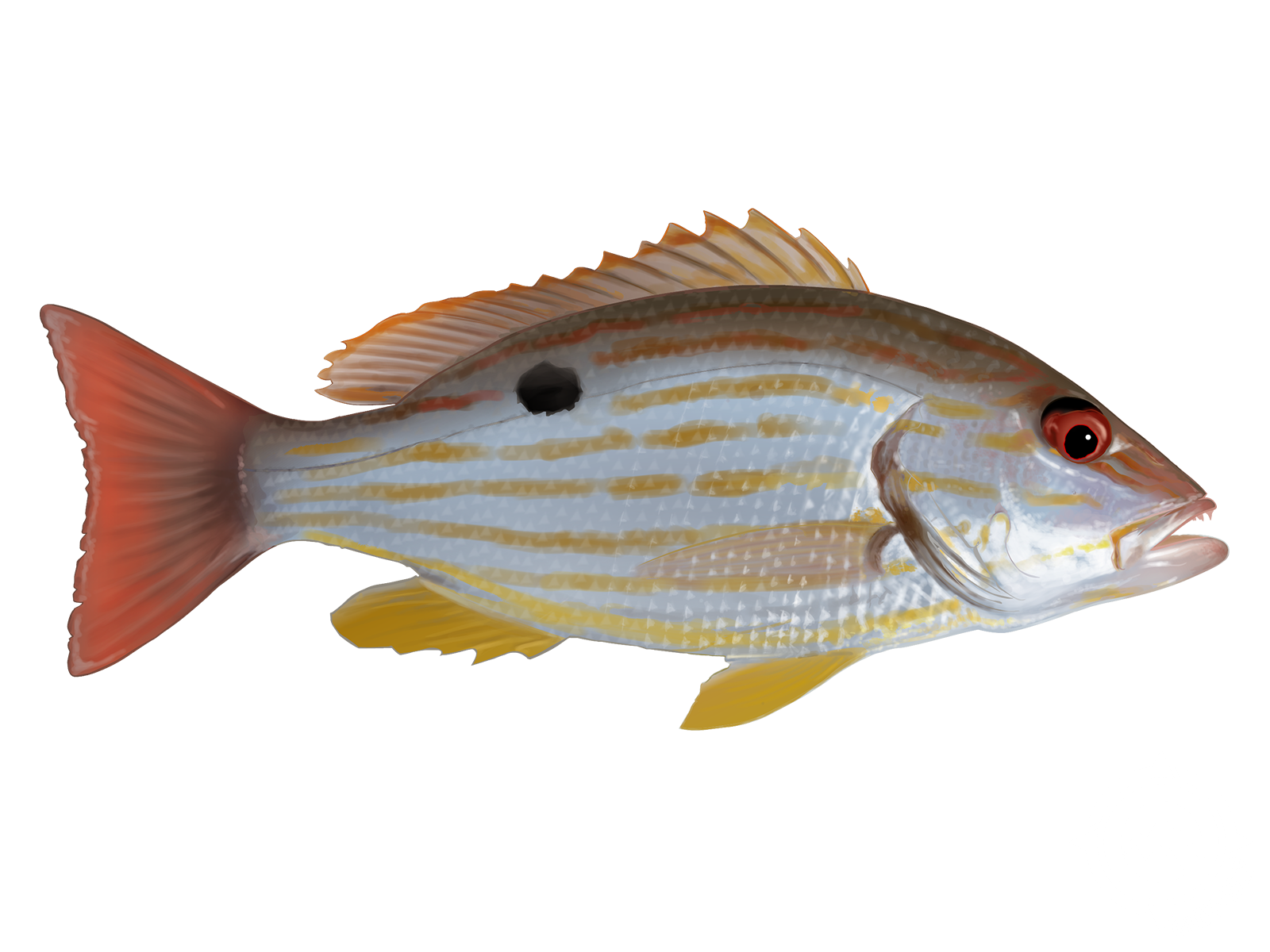 Lane Snapper
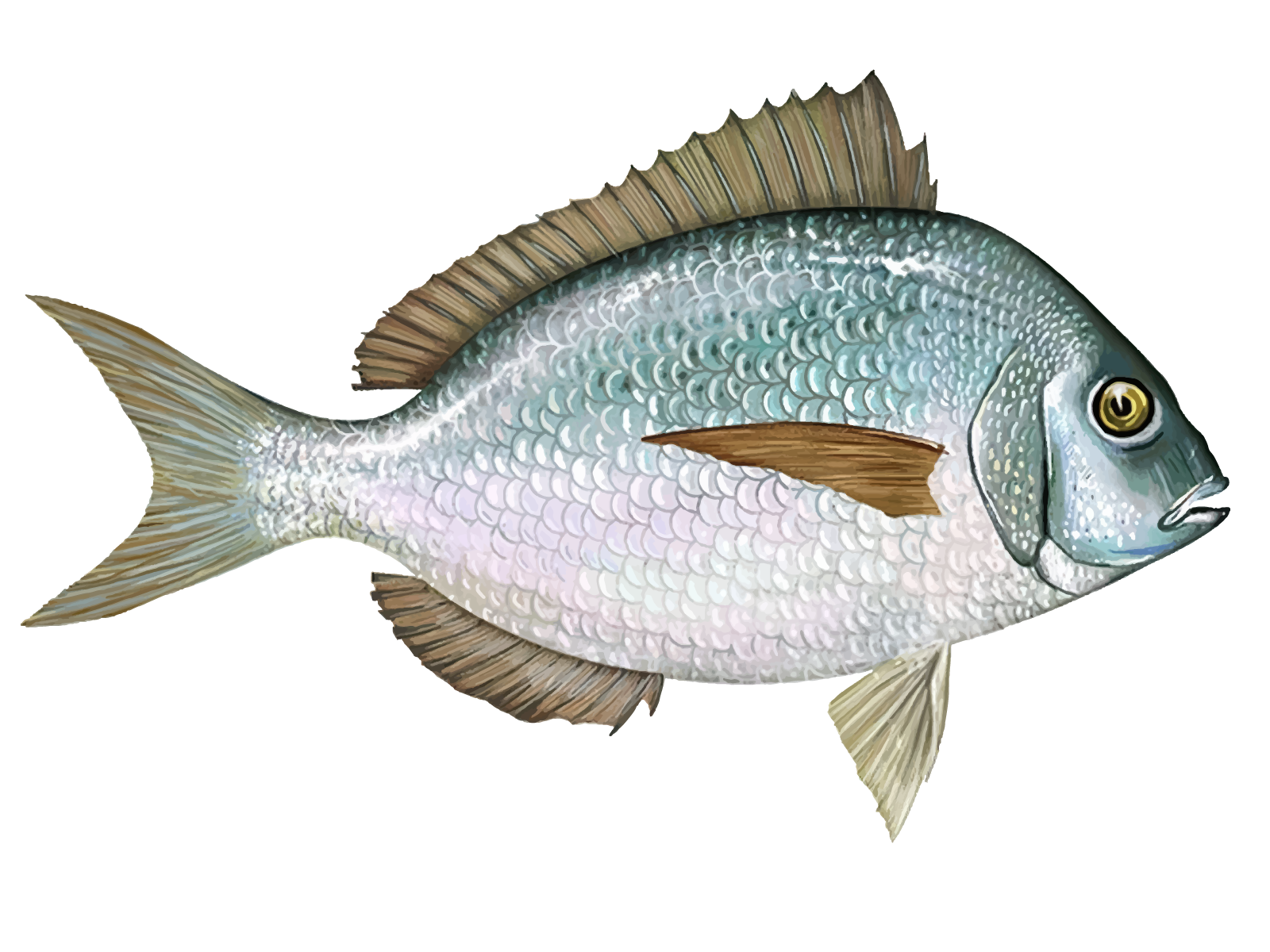 Scup
Scup Vermilion Rockfish
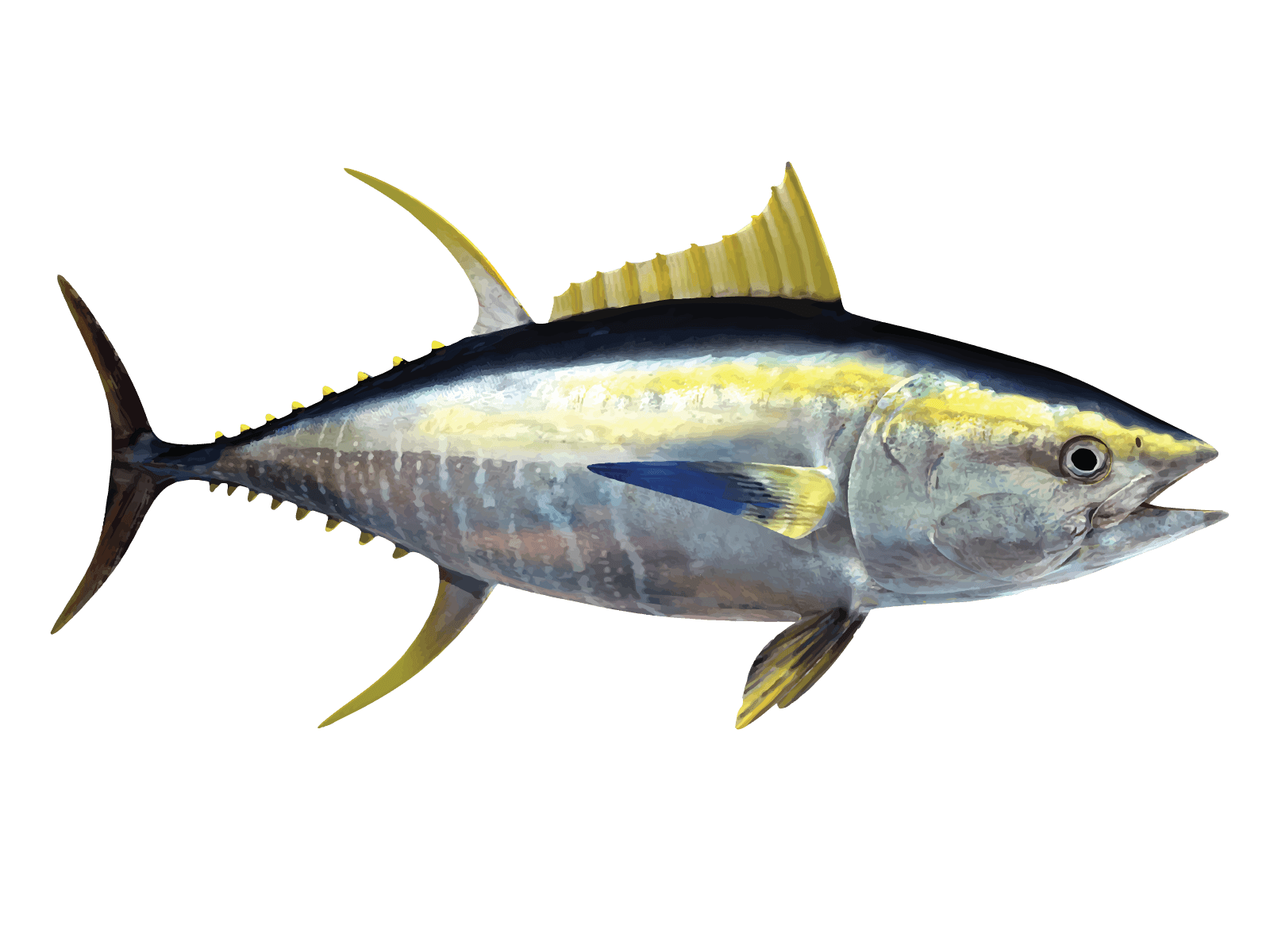
 Yellowfin Tuna
- Half-day charter targets red snapper and grouper species
- Professional captain provides complete fishing gear for six guests
- Available Friday through Monday departing from Fort Walton Beach
Trip Pricing and Availabilities:
Half Day Red Snapper & Grouper Wreck Fishing
Want to get into some serious bottom fishing action without burning a whole day? This 4-hour nearshore charter out of Fort Walton Beach puts you right where the fish live - on the wrecks and structure that hold the Gulf's best eating fish. We're talking Red Snapper, Grouper, and a mixed bag of snappers that'll keep your rod bent and your cooler full. Perfect for families, first-timers, or seasoned anglers who know that half-day trips can produce just as many keeper fish as the long hauls.
What to Expect on the Water
Your captain knows these nearshore wrecks like the back of his hand, and that's what makes all the difference when you're targeting structure fish. We'll motor out to proven spots where artificial reefs, sunken vessels, and natural bottom changes create the perfect habitat for Red Snapper and Grouper. The boat's equipped with quality bottom fishing gear, circle hooks to keep those fish healthy, and all the tackle you'll need to get down to where the big ones live. Morning trips typically start around sunrise when the bite is hot, while afternoon sessions let you sleep in and still get into some great action. With space for up to 6 anglers, there's plenty of room to spread out and work different sections of structure without getting tangled up.
Bottom Fishing the Wrecks
Wreck fishing is all about getting your bait down fast and keeping it in the strike zone. We use heavy sinkers to cut through the current and get your chicken rig or knocker rig right on the bottom where these fish feed. The key is feeling for that structure - when your weight hits the wreck, you know you're in the right spot. We'll be using circle hooks to ensure clean hooksets and better fish survival, plus they're required for snapper fishing anyway. Your captain will show you how to work the bottom, when to lift and drop your bait, and how to tell the difference between a snapper bite and a grouper trying to take you into the rocks. The beauty of nearshore wreck fishing is that you're usually in 60-100 feet of water, so the fight doesn't take forever, but these fish still have plenty of room to make runs and test your drag.
Target Species
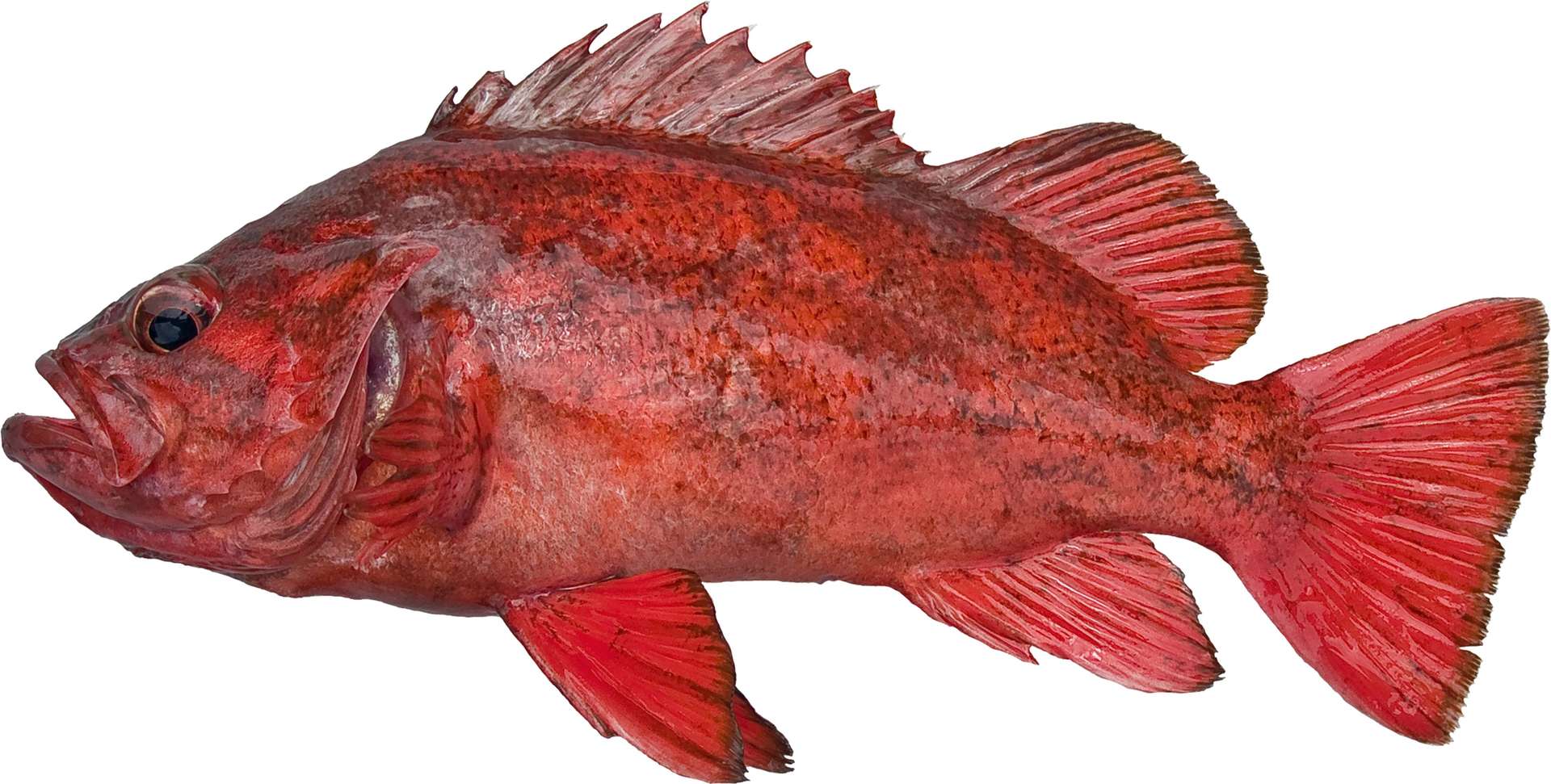
Vermilion Rockfish, or what most folks call Vermilion Snapper, are one of the most reliable catches on these nearshore wrecks. These bright red and pink fish typically run 12-16 inches and are absolute table fare champions. They school up tight on structure and aren't too picky about bait - squid, cut bait, or even small jigs will get their attention. Peak season runs from late spring through early fall, and they're often the first fish to bite when you drop down to a new spot. What makes them special is their willingness to bite even when the bigger snapper are being finicky.
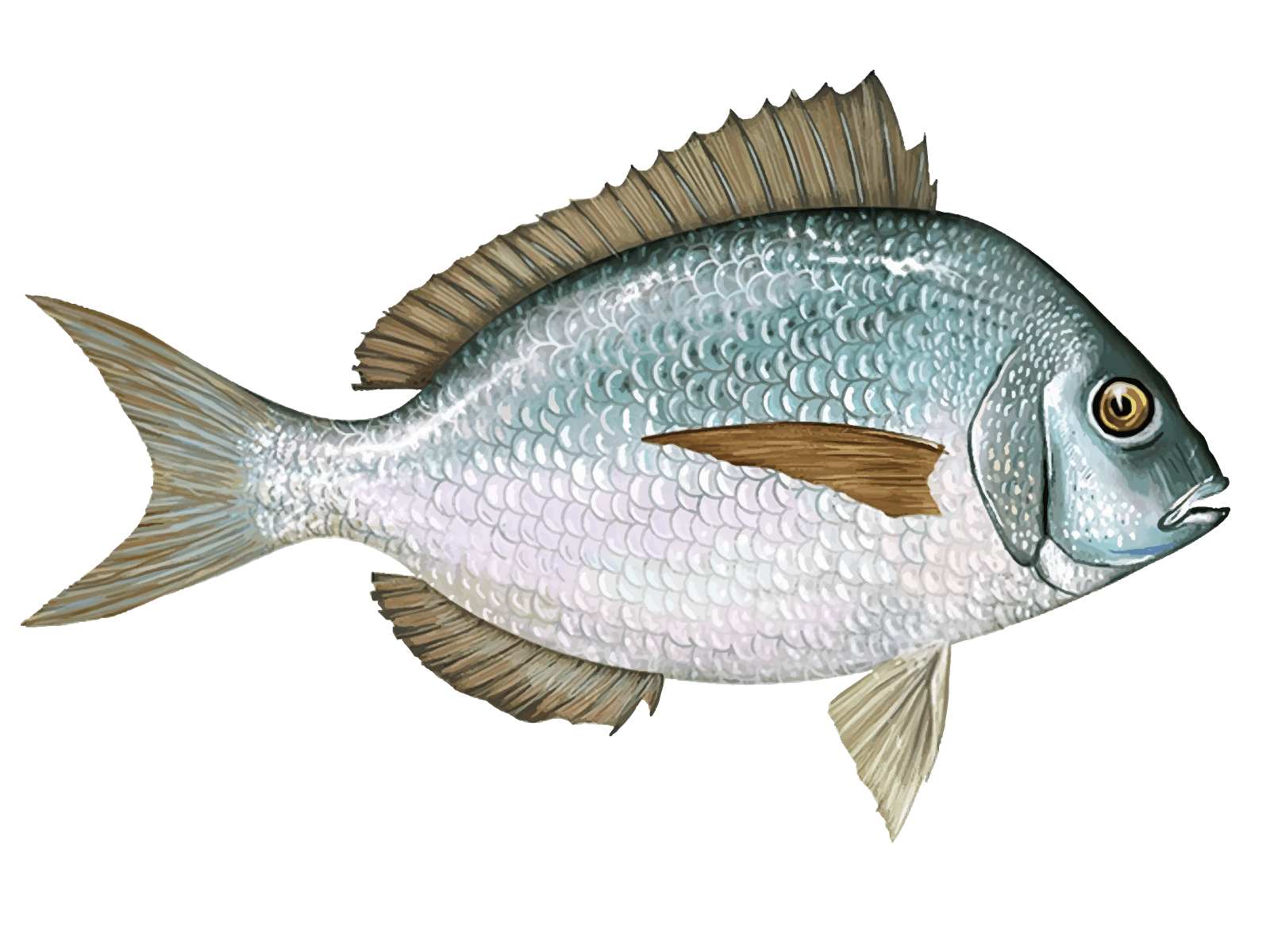
Scup might not be a name you hear every day in these waters, but these tough little fighters are worth targeting. They're part of the porgy family and typically show up as bonus fish when you're working the bottom for snapper. Most run 8-12 inches, but they fight way above their weight class and make excellent bait for bigger predators. They're most active during cooler months and have a unique ability to find your hook even in heavy current. Anglers love them because they're scrappy, good eating, and often save the day when the premium species aren't cooperating.
Yellowfin Tuna are the wildcards on these nearshore trips. While we're primarily bottom fishing, these speedsters sometimes cruise the wrecks looking for baitfish, and when they show up, everything changes. Most nearshore Yellowfin run 20-40 pounds, and they'll test every piece of tackle you've got. They're most common from late spring through early fall when water temperatures climb. The fight is what draws anglers - long screaming runs, bulldogging power, and the kind of strength that makes your arms burn. When you hook into a Yellowfin over structure, you better hope your drag is set right and your captain knows how to chase fish.
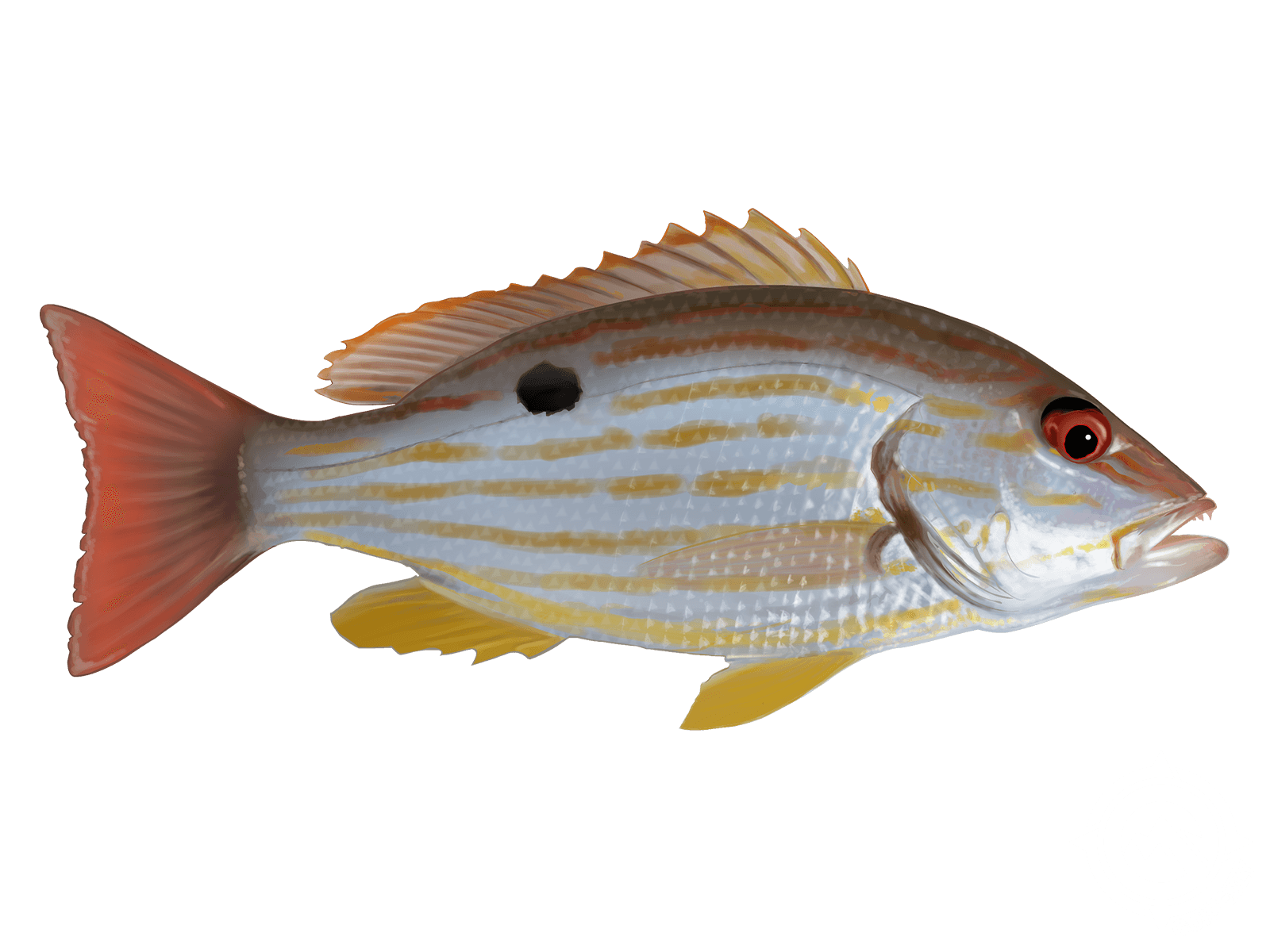
Lane Snapper are the perfect fish for anyone new to bottom fishing. They're aggressive, plentiful, and will hit just about anything you drop down. These smaller snappers typically run 8-14 inches and have beautiful yellow stripes running down their sides. They school up in big numbers around wrecks and won't hesitate to grab your bait. While they might not win any size contests, they're fantastic eating and provide steady action when the bigger fish are being picky. Lane Snapper bite year-round but are most active during warmer months.
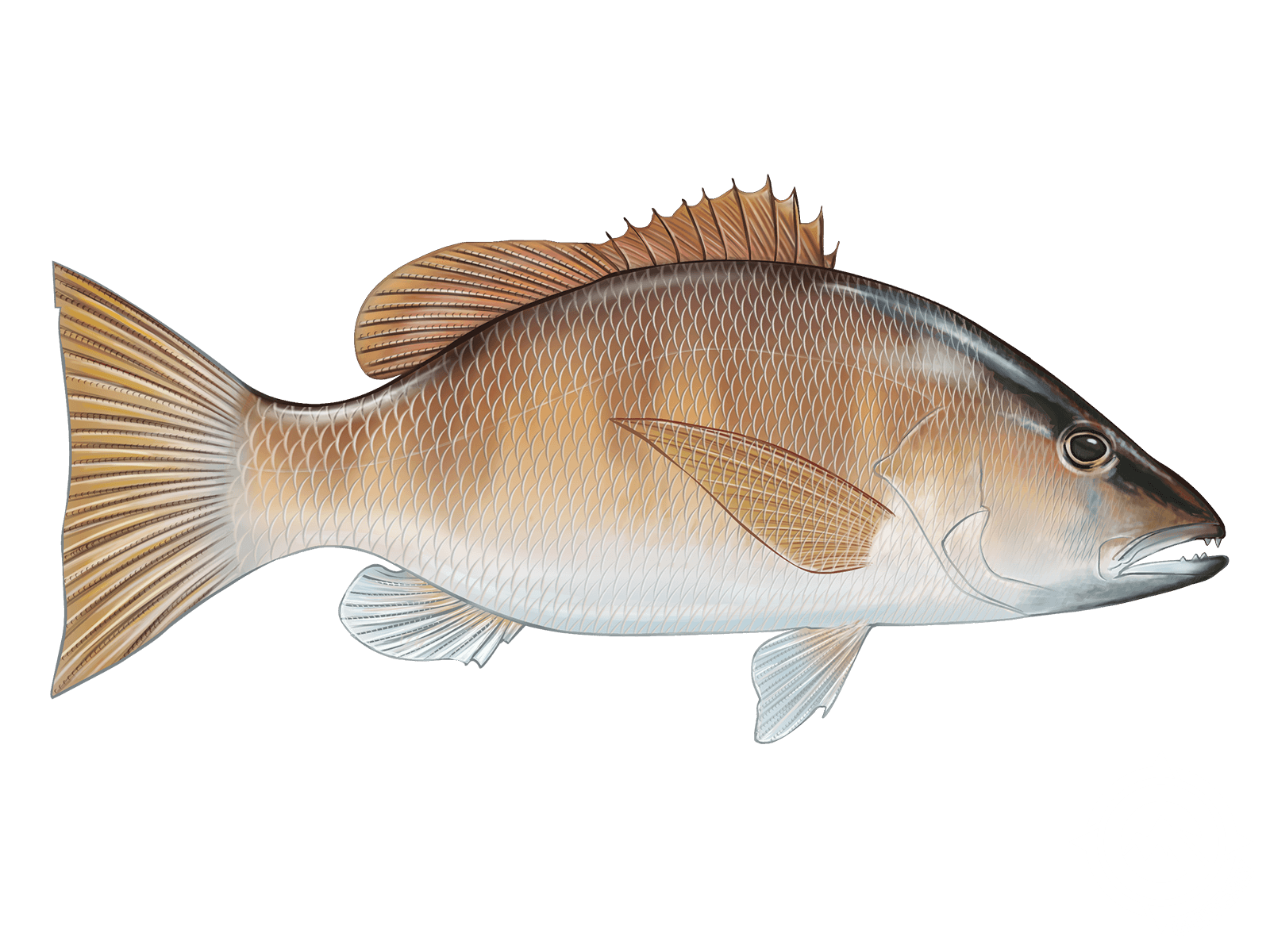
Grey Snapper, better known as Mangrove Snapper or simply Mangoes, are the smart ones in the bunch. These fish have seen every trick in the book and require some finesse to fool consistently. They typically run 12-18 inches in these nearshore waters and are some of the best eating fish in the Gulf. What makes them challenging is their wariness - they'll examine your bait, test your line, and often drop the hook if something doesn't feel right. The reward for outsmarting a good Mangrove Snapper is a fish that's perfect for the dinner table and a story about the one that made you work for it.
Time to Book Your Spot
This half-day wreck fishing trip delivers exactly what serious anglers want - quality fishing time on productive structure without the commitment of a full-day charter. With Friday through Monday availability and both morning and afternoon options, you can easily work it into your Fort Walton Beach vacation. The combination of Red Snapper, Grouper, and mixed bag species means you're virtually guaranteed to put fish in the cooler, whether you're feeding the family or just want some fresh Gulf seafood. Book online to lock in your preferred time slot - these productive nearshore spots and experienced capt
Learn more about the species
Grey Snapper
Mangrove Snapper, as we call them locally, are copper-colored opportunistic hunters that average 1-3 pounds inshore, though offshore fish can hit 20. They love structure - docks, rocks, mangroves, and wrecks where they can ambush prey. Year-round fishing is good, but they're most active at night and during moving tides. What hooks anglers is their wariness making them a thinking person's fish, plus their white flaky meat is restaurant quality. They're smart and spook easily, so stealth matters. The key is using live shrimp hooked through the tail on light tackle. Drop it to the bottom near cover, reel up just enough to avoid snags, then wait. When they bite, let them run before setting the hook - patience pays off with these guys.
Lane Snapper
Lane Snapper are gorgeous pink fish with yellow racing stripes that typically run 10-14 inches, making them perfect for the cooler and families. They hang around coral reefs and sandy bottoms with good cover, usually between 70-230 feet deep. March through September is prime time when they're spawning and most aggressive. What makes them special is their scrappy fight for their size and sweet, mild meat that's hard to beat. They're often called "dessert fish" since they show up as bonus catches while targeting bigger snapper. These guys are night feeders and less hook-shy than their cousins. Local secret: use small hooks with fresh shrimp and fish near structure at dusk - they'll hammer it.
Scup
Scup, or porgy as locals call them, are scrappy little fighters that average 12-16 inches with compressed, silvery bodies that shimmer like rainbows. They're bottom feeders that love rocky areas and structure, using their strong jaws to crush shells and crabs. Best fishing happens May through October when they move into our nearshore waters - they head deep and south when it gets cold. Families love targeting them because they're easy to catch and make fantastic eating. Their small mouths mean you need smaller hooks, but they're aggressive biters. Pro tip: use small pieces of squid or clam on a light rig and jig it slowly near the bottom around structure. They often bite while you're targeting other species.
Vermilion Rockfish
Vermilion Rockfish are bright red beauties with black mottling that typically run 14-22 inches and up to 15 pounds in our Gulf waters. These fish love rocky bottoms and structure between 100-500 feet deep, making them perfect targets on our nearshore trips. They're surprisingly territorial - some stick to the same spot for years. What makes them special is their excellent table fare and cooperative nature once you find them. Spring through fall offers the best action when they're most active. Here's a local trick: when you're over good structure, drop a small strip of squid on light tackle and work it slowly near the bottom. They'll often hit on the drop, so stay ready.
Yellowfin Tuna
Yellowfin Tuna are the speedsters of our waters, hitting 50 mph with their torpedo-shaped bodies and signature bright yellow fins. Most fish we see run 30-80 pounds, though giants over 200 exist. They cruise the upper water column in blue water, usually within 100 feet of the surface. Best action is May through August during spawning season when they're most aggressive. What gets anglers hooked is their blistering runs and top-shelf sashimi quality meat - nothing beats fresh yellowfin on the grill. They travel in schools following baitfish. My go-to method is chunking with live bait to draw them up from deep water. Once you get them feeding, the action can be non-stop with multiple hookups.