/filters:format(jpeg,png)/fit-in/300x300/guide_websites/132277/images/1777092540046logo.png)
/filters:format(jpeg,png)/fit-in/237x80/guide_websites/132277/images/1777092540046logo.png)
/users/dbf1edd8-e314-4efb-bc6e-4b87194fc442/ratecard/608889804_122139673754972528_4415780728959748741_n-mqt891bd.jpg)
%2F300x300%2Fusers%2Fdbf1edd8-e314-4efb-bc6e-4b87194fc442%2Fratecard%2F608889804_122139673754972528_4415780728959748741_n-mqt891bd.jpg&w=256&q=75)
%2F300x300%2Fusers%2Fdbf1edd8-e314-4efb-bc6e-4b87194fc442%2Fimages%2Fcharter-captain-pointing-marina-dock-2564.jpg&w=256&q=75)
%2F300x300%2Fusers%2Fdbf1edd8-e314-4efb-bc6e-4b87194fc442%2Fimages%2Fjet-ski-fishing-boat-water-2555.jpg&w=256&q=75)
%2F300x300%2Fusers%2Fdbf1edd8-e314-4efb-bc6e-4b87194fc442%2Fimages%2Ffishing-boat-electronics-setup-2508.jpg&w=256&q=75)
%2F300x300%2Fusers%2Fdbf1edd8-e314-4efb-bc6e-4b87194fc442%2Fimages%2Ffishing-boat-water-adventure-ready-2620.jpg&w=256&q=75)
%2F300x300%2Fusers%2Fdbf1edd8-e314-4efb-bc6e-4b87194fc442%2Fimages%2Fsea-lion-resting-marina-dock-2642.jpg&w=256&q=75)
%2F300x300%2Fusers%2Fdbf1edd8-e314-4efb-bc6e-4b87194fc442%2Fimages%2Fmarina-bay-pier-sign-2573.jpg&w=256&q=75)
%2F300x300%2Fusers%2Fdbf1edd8-e314-4efb-bc6e-4b87194fc442%2Fimages%2Fcharter-boat-captain-ready-adventure-2493.jpg&w=256&q=75)
%2F300x300%2Fusers%2Fdbf1edd8-e314-4efb-bc6e-4b87194fc442%2Fimages%2Fmarina-boats-ready-for-adventure-2525.jpg&w=256&q=75)
%2F300x300%2Fusers%2Fdbf1edd8-e314-4efb-bc6e-4b87194fc442%2Fimages%2Fpontoon-boat-docked-at-pier-2574.jpg&w=256&q=75)
%2F300x300%2Fusers%2Fdbf1edd8-e314-4efb-bc6e-4b87194fc442%2Fimages%2Fmarina-pontoon-adventure-2516.jpg&w=256&q=75)
Full Day Trolling & Bottom Fishing Charter
 Fort Walton Beach, FL
What you will be catching:
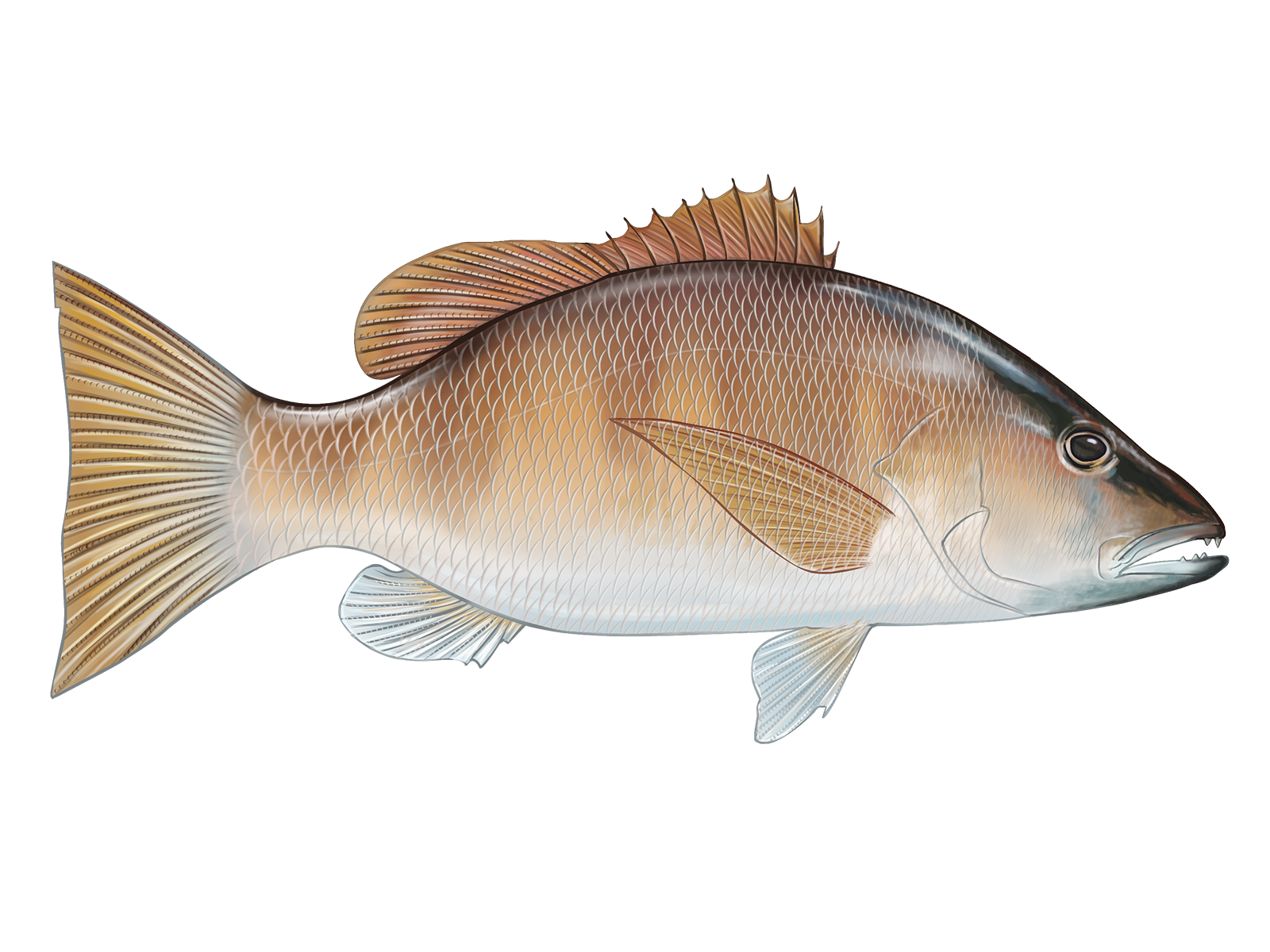 Grey Snapper
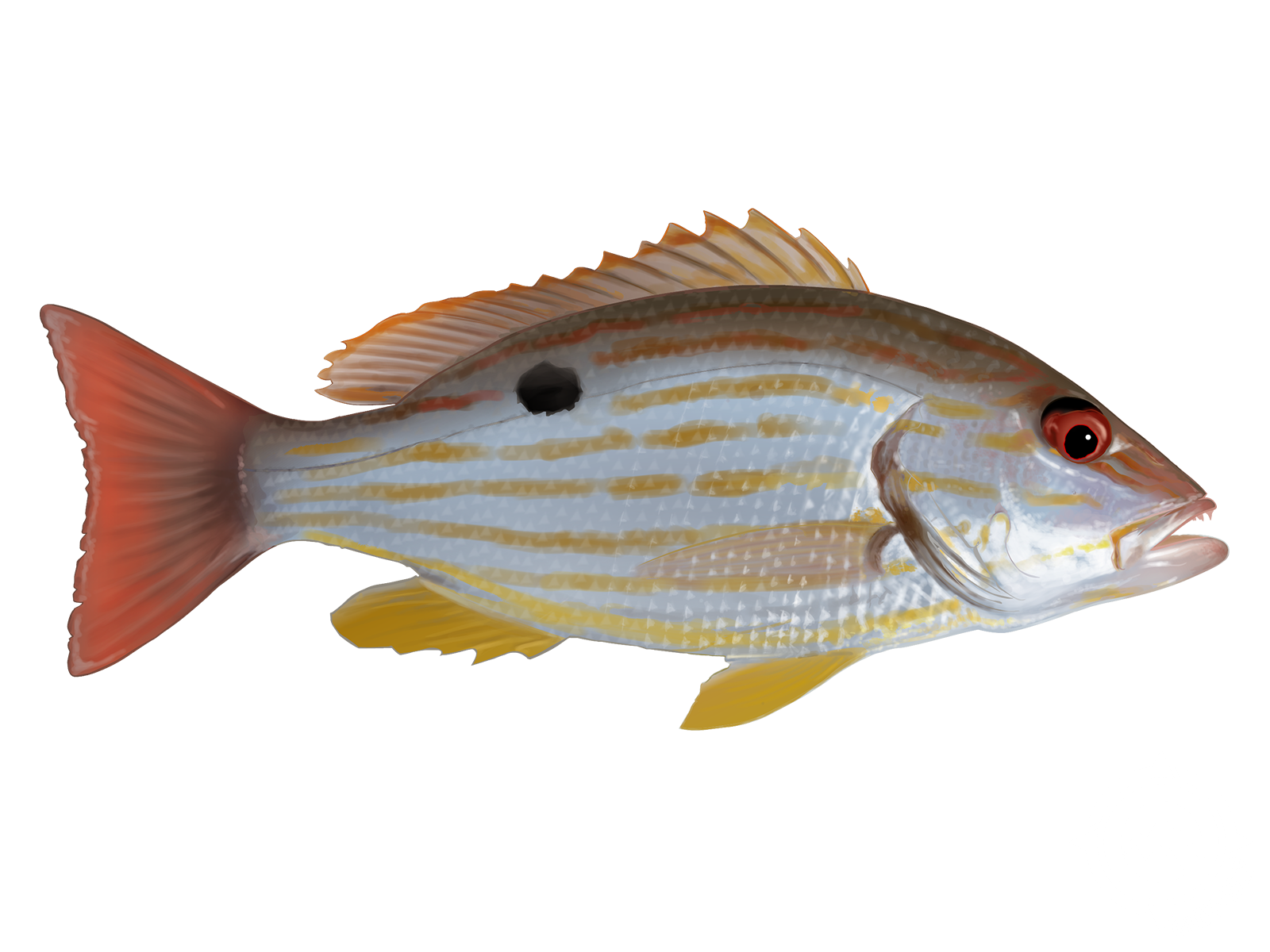 Lane Snapper
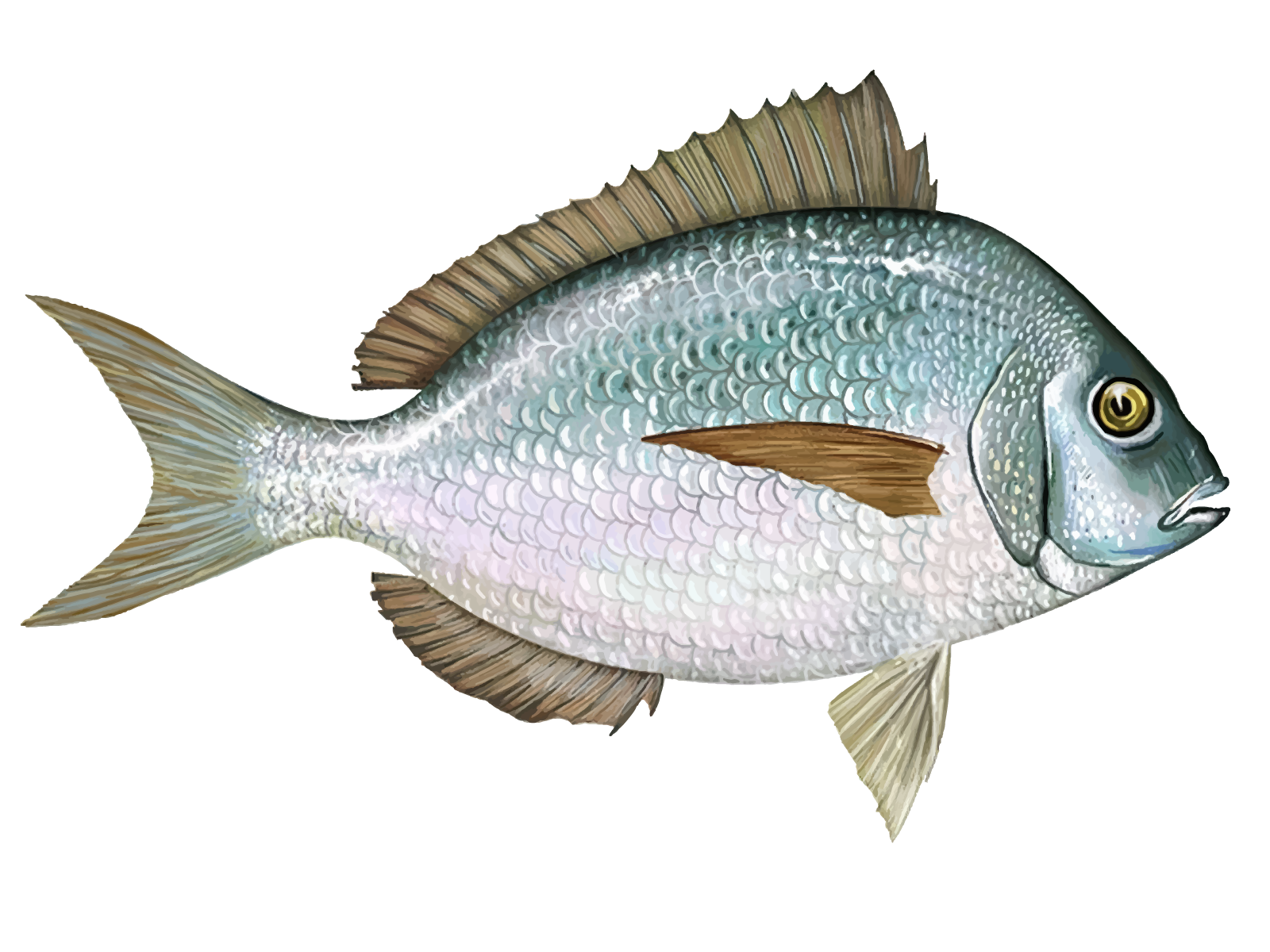 Scup
Scup Vermilion Rockfish
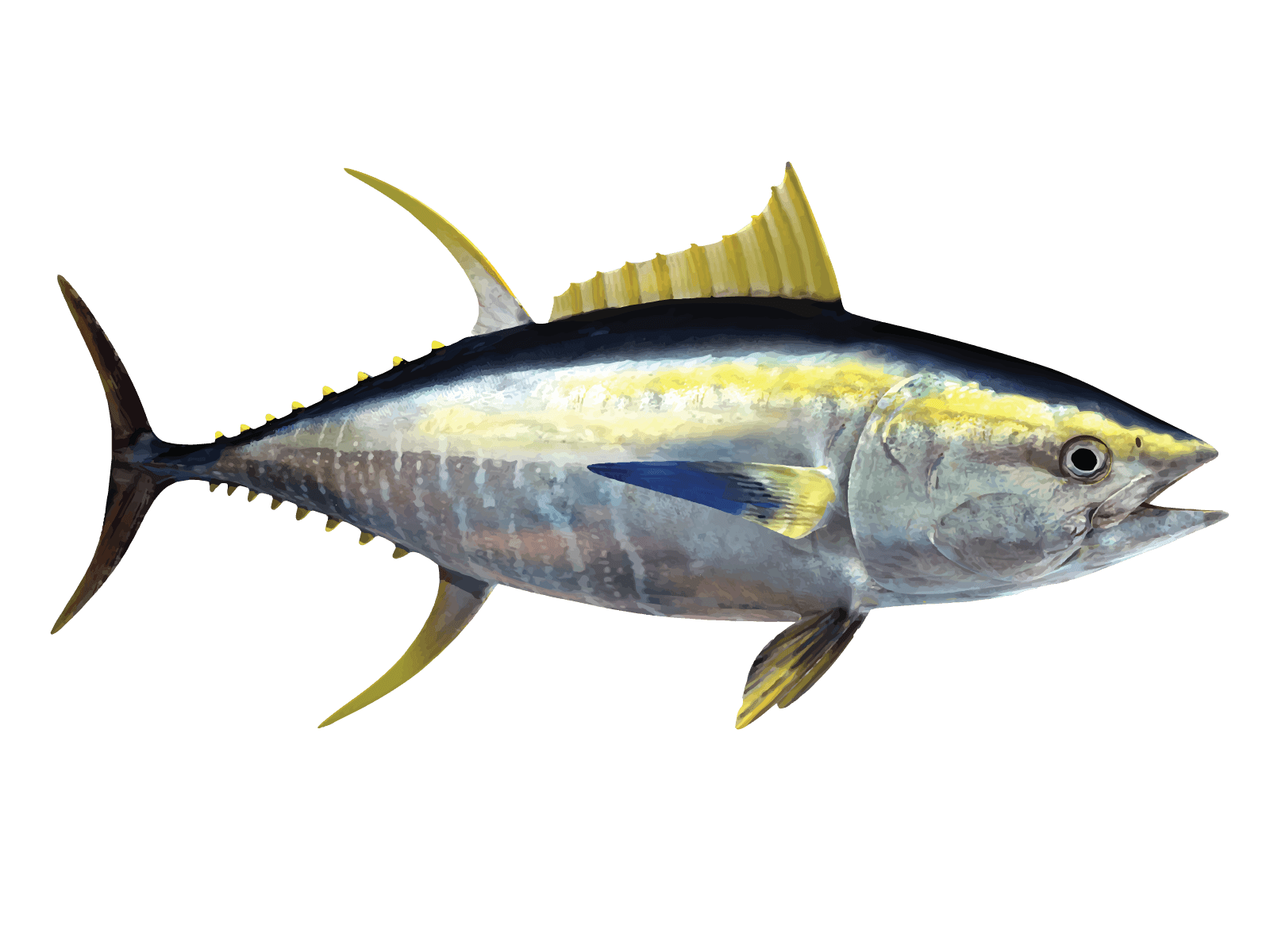
 Yellowfin Tuna
- 10-hour offshore charter targeting multiple species with trolling
- Professional captain provides gear, fuel, and licensing included
- Private Emerald Coast adventure accommodating up to 6 guests
Trip Pricing and Availabilities:
Fort Walton Beach Full Day Wreck Fishing
Looking for a serious fishing adventure that'll put you on some of the Gulf's most productive wreck sites? This 10-hour charter with Pelican Pontoon Company is built for anglers who want to maximize their time working the bottom and covering water. We're talking about a full day on the Emerald Coast, hitting multiple offshore structures where the big fish stack up. Available Friday through Monday, this trip takes up to 6 anglers and combines the best of both worlds - trolling the blue water and dropping baits on proven wreck sites. Your captain knows these waters like the back of his hand, and with fuel, gear, and licensing all included, you just need to show up ready to fish.
What to Expect on the Water
This isn't your typical half-day trip where you're rushing back to the dock just as the bite heats up. Ten hours gives us the freedom to work the offshore structure properly and adapt to what the fish are telling us. We'll start before sunrise, running out to the wreck sites while it's still dark so we're dropping lines right at first light. The boat's equipped with quality gear for both bottom fishing and trolling, plus all the tackle you'll need to handle whatever comes up from the depths. Expect to cover some serious ground as we move between productive spots, reading the fish finder and adjusting our approach based on current conditions. The captain will have you rigged up with circle hooks for the bottom work and proper spread for trolling - no guessing games here.
Trolling and Bottom Techniques
We're running a two-pronged attack on this trip that makes the most of Fort Walton Beach's diverse offshore fishing. The trolling spread targets the pelagic species moving through - we'll pull a mix of diving plugs, spoons, and rigged baits at different depths to cover the water column. When we hit the wrecks, it's all about precision bottom fishing. We're talking about vertical jigging and dropping live or cut baits right into the structure where the grouper, snapper, and amberjack hold up. The captain will position the boat perfectly over these artificial reefs, using GPS and sonar to put your baits in the strike zone. Circle hooks are standard for the bottom fishing to ensure proper hooksets and fish survival, while the trolling gear is matched to the target species we're after that day.
Target Species You'll Want to Hook
Vermilion Rockfish are one of the bread-and-butter species you'll encounter on these wreck sites. These bright red snappers typically run 2-4 pounds and are absolutely phenomenal table fare. They school up tight around structure, especially during the cooler months from October through March. What makes vermilion rockfish so exciting is their aggressive nature - they'll hammer a fresh piece of squid or cigar minnow dropped right into their territory. The key is getting your bait down quickly through the water column before other species intercept it.
Scup, also known as porgy, might not win any beauty contests, but they're scrappy fighters that'll keep your rod bent. These silvery bottom dwellers average 1-3 pounds and are most active from late spring through early fall. They've got serious teeth, so wire leaders are a must when targeting them specifically. Scup love structure and will often be the first fish to find your bait when you're fishing a new wreck. They're also excellent bait fish for larger predators, so don't overlook their value in the live well.
Yellowfin Tuna represent the trophy potential of this trip, especially when we're trolling the deeper waters around the wrecks. These speedsters can range from 20-pound schoolies up to genuine 100-pound-plus giants that'll test your endurance. Peak season runs from late spring through early fall, with the larger fish showing up in the hottest months. When a yellowfin hits your trolling spread, you'll know it instantly - the reel starts screaming and doesn't stop. They're pure muscle and stamina, making long runs that'll have your arms burning.
Lane Snapper are the perfect species for anglers who want consistent action mixed with quality eating. These colorful fish typically run 8-14 inches and are active year-round around Fort Walton Beach's wreck sites. They're aggressive biters that'll hit small hooks baited with squid, shrimp, or cut fish. Lane snapper often school in impressive numbers, so when you find them, you can fill the cooler quickly. They're also great indicators of what else might be lurking around the structure.
Grey Snapper, better known as mangrove snapper, are the thinking angler's fish. These wary predators require finesse and patience, but the payoff is worth it. They range from keeper-sized fish around 12 inches up to genuine 5-pound slabs that are old and smart. Grey snapper are most active during the warmer months and prefer live or very fresh dead baits. They're notorious for their light bites and tendency to steal bait without getting hooked, making them a challenging but rewarding target species.
Time to Book Your Spot
This full-day wreck fishing charter represents serious value for dedicated anglers who want to experience Fort Walton Beach's offshore fishing at its finest. With professional guidance, quality gear, and access to productive wreck sites, you're setting yourself up for the kind of fishing stories that last a lifetime. The Friday through Monday schedule gives you flexibility to plan around weather and work commitments. At 6-person capacity, you can bring the whole crew or book as individuals for a more intimate fishing experience. Check the calendar online and secure your date - these extended offshore trips book solid during peak season, and you don't want to miss out on what could be the fishing trip of the year.
Learn more about the species
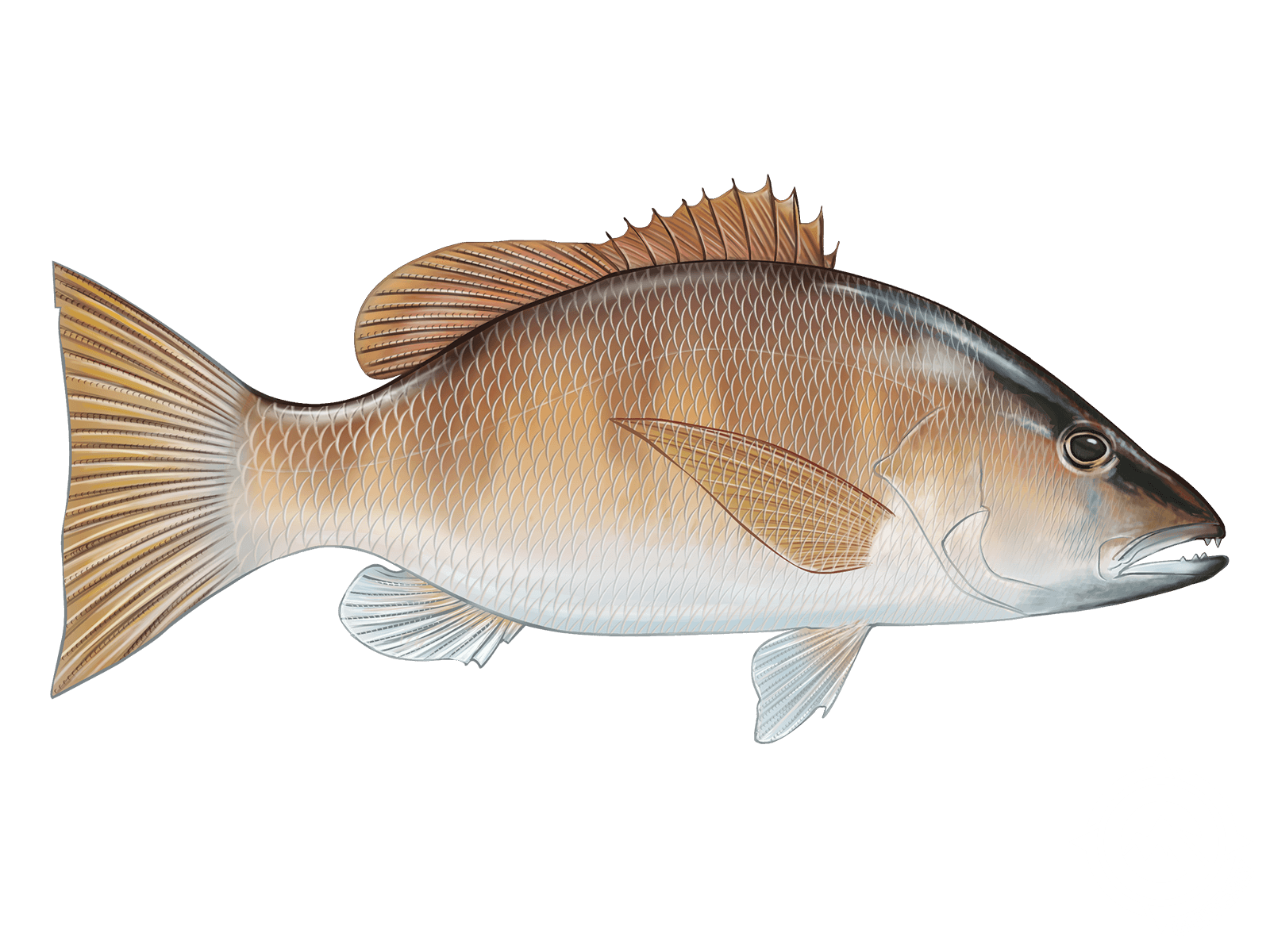
Grey Snapper
Grey snappers, also called mangrove snappers, are smart fighters that test your patience and skill. They run 10-14 inches inshore but can reach 20 pounds in deeper water. These copper-red fish with the dark eye stripe are opportunistic predators that love structure - docks, reefs, wrecks, and mangrove edges. They're most active at night and during moving tides. What makes them popular is the challenge and the payoff - they're wary biters but the white, flaky meat is restaurant quality. Live shrimp hooked through the tail works best, but don't get fancy with it. The key is patience: let your bait sit still near structure and wait for them to commit. Once hooked, don't horse them - they'll break you off.
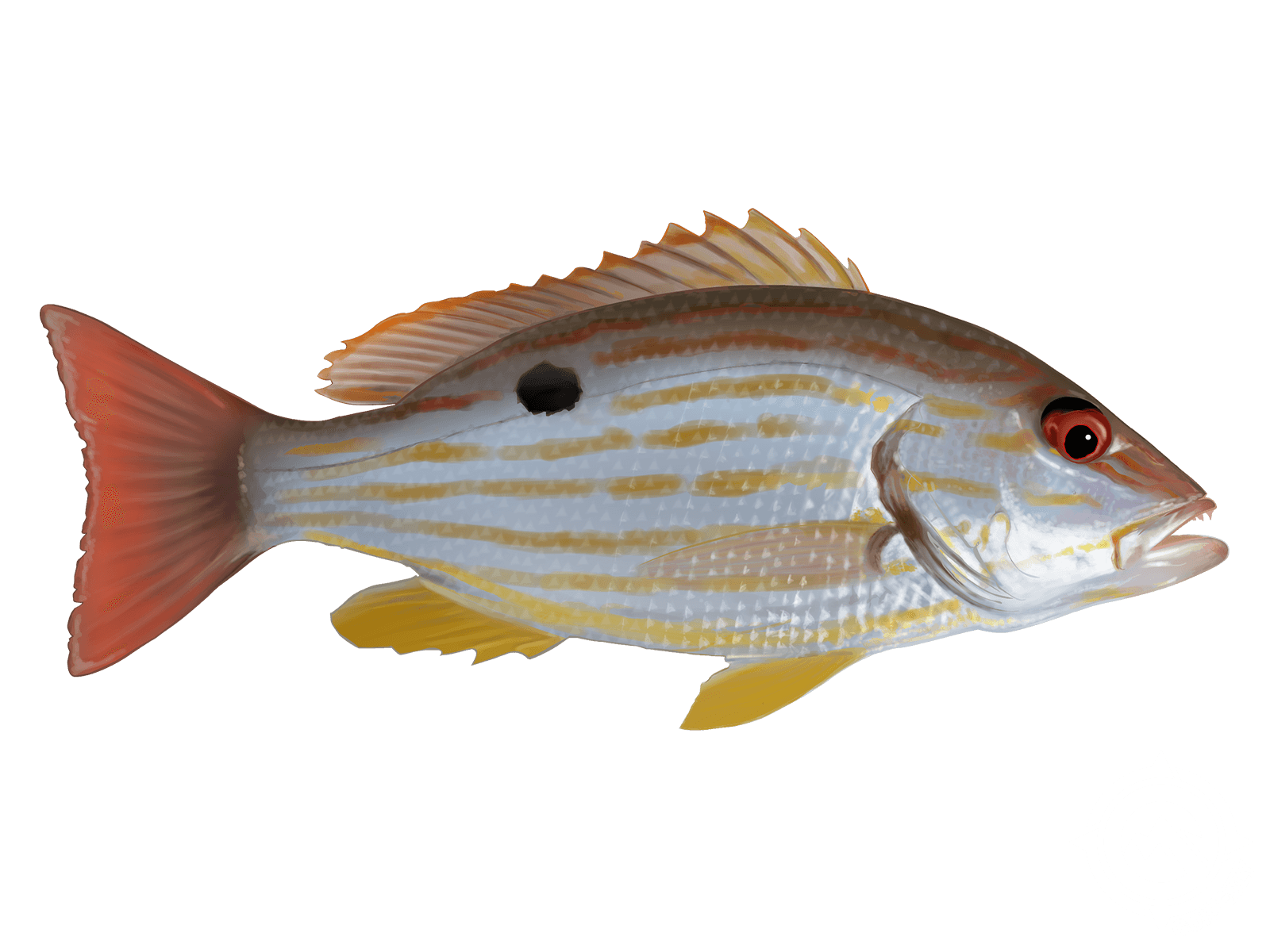
Lane Snapper
Lane snappers are colorful little scrappens with pink bodies and yellow racing stripes that make them easy to spot in the box. They average 10-14 inches but fight way above their weight class. These guys love coral reefs and sandy bottoms with good structure between 70-230 feet deep. March through September is peak season when they're spawning and feeding aggressively. Guests enjoy them because they're not shy about biting and the meat is sweet and firm - perfect for the dinner table. They'll hit live shrimp, squid, and cut bait readily. Often show up as bonus fish when we're targeting grouper or bigger snappers. Here's the trick: fish them at night or early morning when they feed most actively.
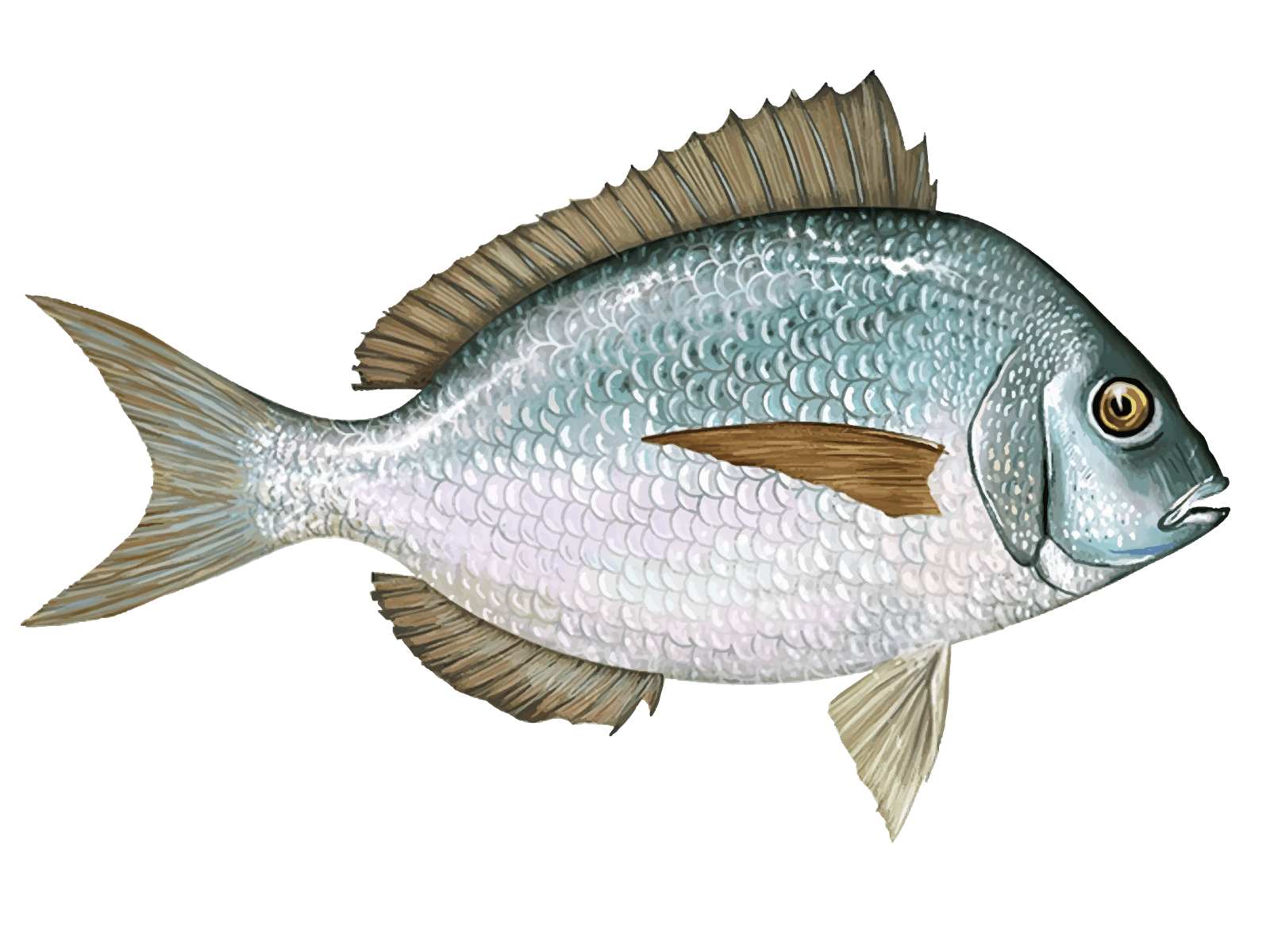
Scup
Scup are scrappy little fighters that show up as bonus fish when we're bottom fishing. They run 8-18 inches with compressed, silvery bodies and rainbow-colored scales that flash in the sun. These guys are bottom feeders, crushing shells and crabs with powerful jaws around rocks and structure. Spring through fall is prime time when they move inshore with warmer water. What guests love is how they bend light tackle and make great table fare - sweet, white meat that's perfect fried whole. They're also killer live bait for bigger predators. My go-to setup is medium tackle with 14-pound test and fresh clam or squid. Work it slow on the bottom near any structure.
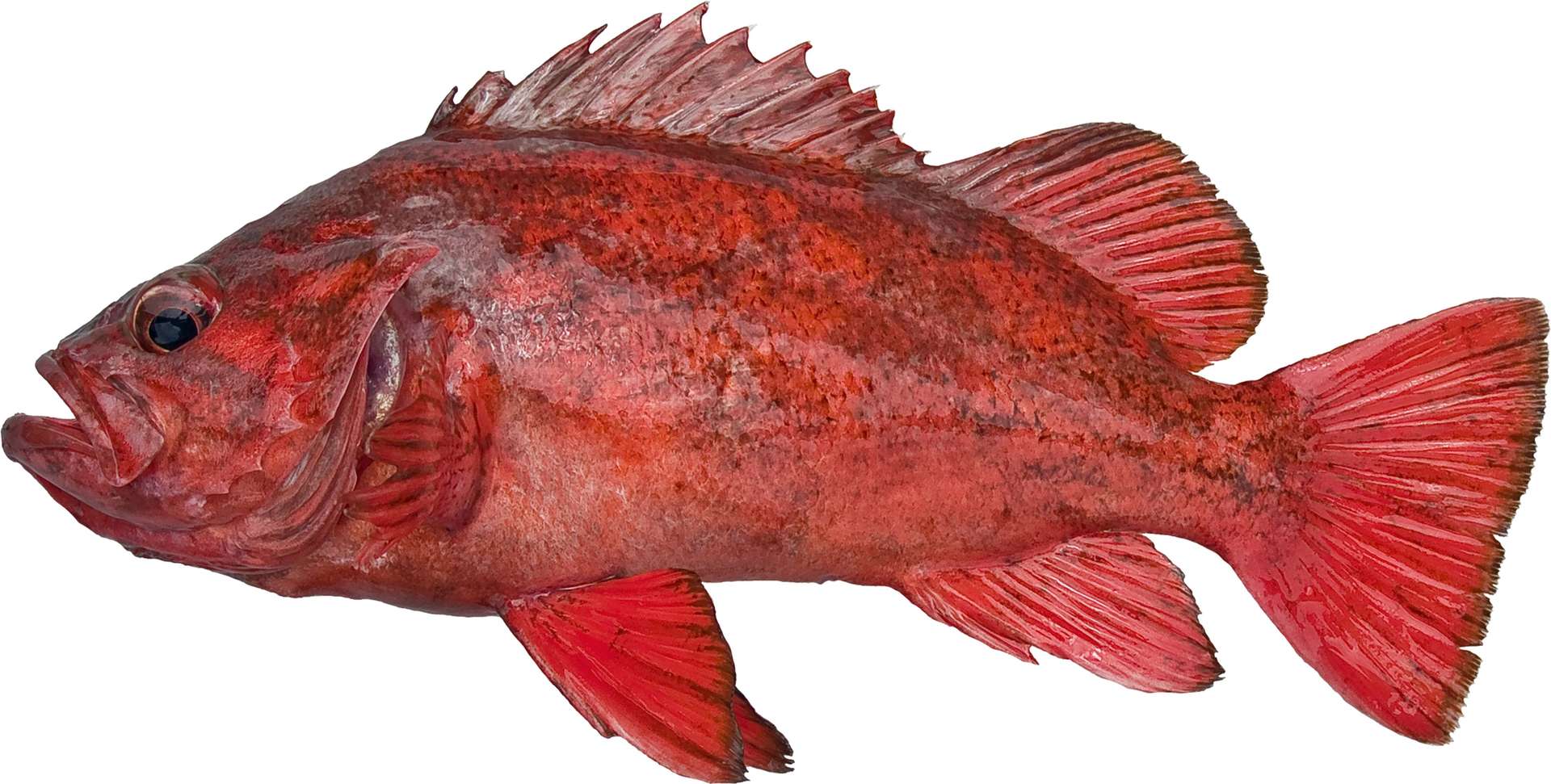
Vermilion Rockfish
These bright red beauties with black mottling are a solid catch when we're dropping baits around rocky structure and reefs. Most run 14-22 inches and fight harder than you'd expect for their size. They hang out between 100-500 feet deep, tucked into boulder fields and hard bottom. What makes them special is how long they live - some reach 100 years old and get territorial about their home spots. The meat is excellent, white and flaky. Best fishing happens when we're working deeper structure with squid strips on a two-hook rig. Pro tip: once you find one, work that same area thoroughly since they stay put for years in the same territory.
Yellowfin Tuna
Yellowfin are the crown jewel of our offshore trips - torpedo-shaped speed demons that can hit 50 mph and fight like freight trains. Most of our fish run 40-80 pounds, but we've seen them over 100. They cruise the top 100 feet of water year-round, but summer months are prime when bait schools are thick. What makes them special is the fight and the meat - nothing beats fresh yellowfin sashimi. We target them trolling rigged ballyhoo and skirted lures, but the real excitement comes when they blow up surface plugs. When trolling isn't working, vertical jigging can turn the day around. Pro tip: if you see birds working, get there fast - yellowfin often feed underneath diving pelicans and terns.