/filters:format(jpeg,png)/fit-in/300x300/guide_websites/132277/images/1777092540046logo.png)
/filters:format(jpeg,png)/fit-in/237x80/guide_websites/132277/images/1777092540046logo.png)
/users/dbf1edd8-e314-4efb-bc6e-4b87194fc442/ratecard/571262380_122127710144972528_3109558903464336325_n-mqt83hio.jpg)
%2F300x300%2Fusers%2Fdbf1edd8-e314-4efb-bc6e-4b87194fc442%2Fratecard%2F571262380_122127710144972528_3109558903464336325_n-mqt83hio.jpg&w=256&q=75)
%2F300x300%2Fusers%2Fdbf1edd8-e314-4efb-bc6e-4b87194fc442%2Fimages%2Fcharter-captain-pointing-marina-dock-2564.jpg&w=256&q=75)
%2F300x300%2Fusers%2Fdbf1edd8-e314-4efb-bc6e-4b87194fc442%2Fimages%2Fjet-ski-fishing-boat-water-2555.jpg&w=256&q=75)
%2F300x300%2Fusers%2Fdbf1edd8-e314-4efb-bc6e-4b87194fc442%2Fimages%2Ffishing-boat-electronics-setup-2508.jpg&w=256&q=75)
%2F300x300%2Fusers%2Fdbf1edd8-e314-4efb-bc6e-4b87194fc442%2Fimages%2Ffishing-boat-water-adventure-ready-2620.jpg&w=256&q=75)
%2F300x300%2Fusers%2Fdbf1edd8-e314-4efb-bc6e-4b87194fc442%2Fimages%2Fsea-lion-resting-marina-dock-2642.jpg&w=256&q=75)
%2F300x300%2Fusers%2Fdbf1edd8-e314-4efb-bc6e-4b87194fc442%2Fimages%2Fmarina-bay-pier-sign-2573.jpg&w=256&q=75)
%2F300x300%2Fusers%2Fdbf1edd8-e314-4efb-bc6e-4b87194fc442%2Fimages%2Fcharter-boat-captain-ready-adventure-2493.jpg&w=256&q=75)
%2F300x300%2Fusers%2Fdbf1edd8-e314-4efb-bc6e-4b87194fc442%2Fimages%2Fmarina-boats-ready-for-adventure-2525.jpg&w=256&q=75)
%2F300x300%2Fusers%2Fdbf1edd8-e314-4efb-bc6e-4b87194fc442%2Fimages%2Fpontoon-boat-docked-at-pier-2574.jpg&w=256&q=75)
%2F300x300%2Fusers%2Fdbf1edd8-e314-4efb-bc6e-4b87194fc442%2Fimages%2Fmarina-pontoon-adventure-2516.jpg&w=256&q=75)
Fort Walton Beach Nearshore Fishing & Crab Island
 Fort Walton Beach, FL
What you will be catching:
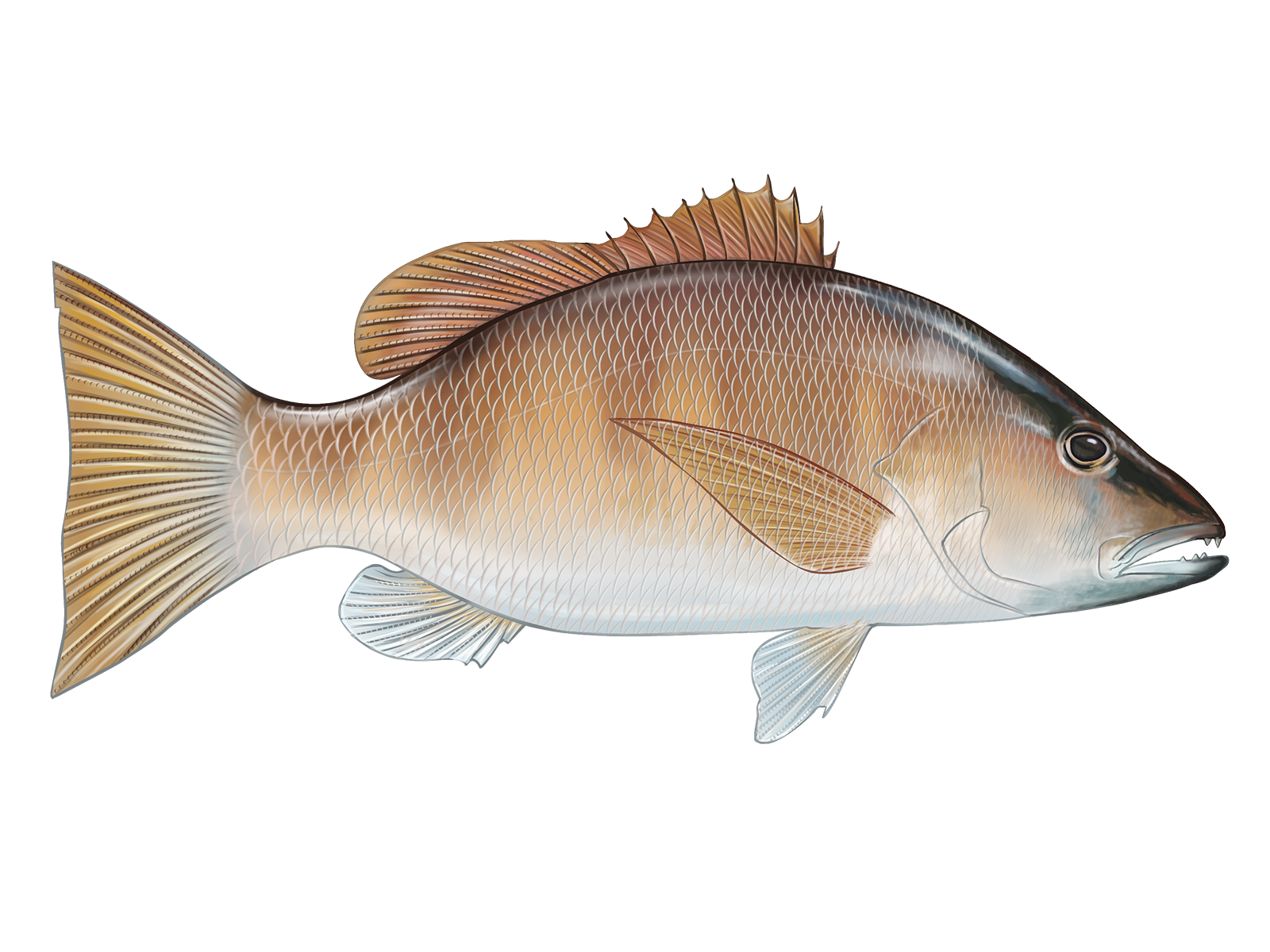 Grey Snapper
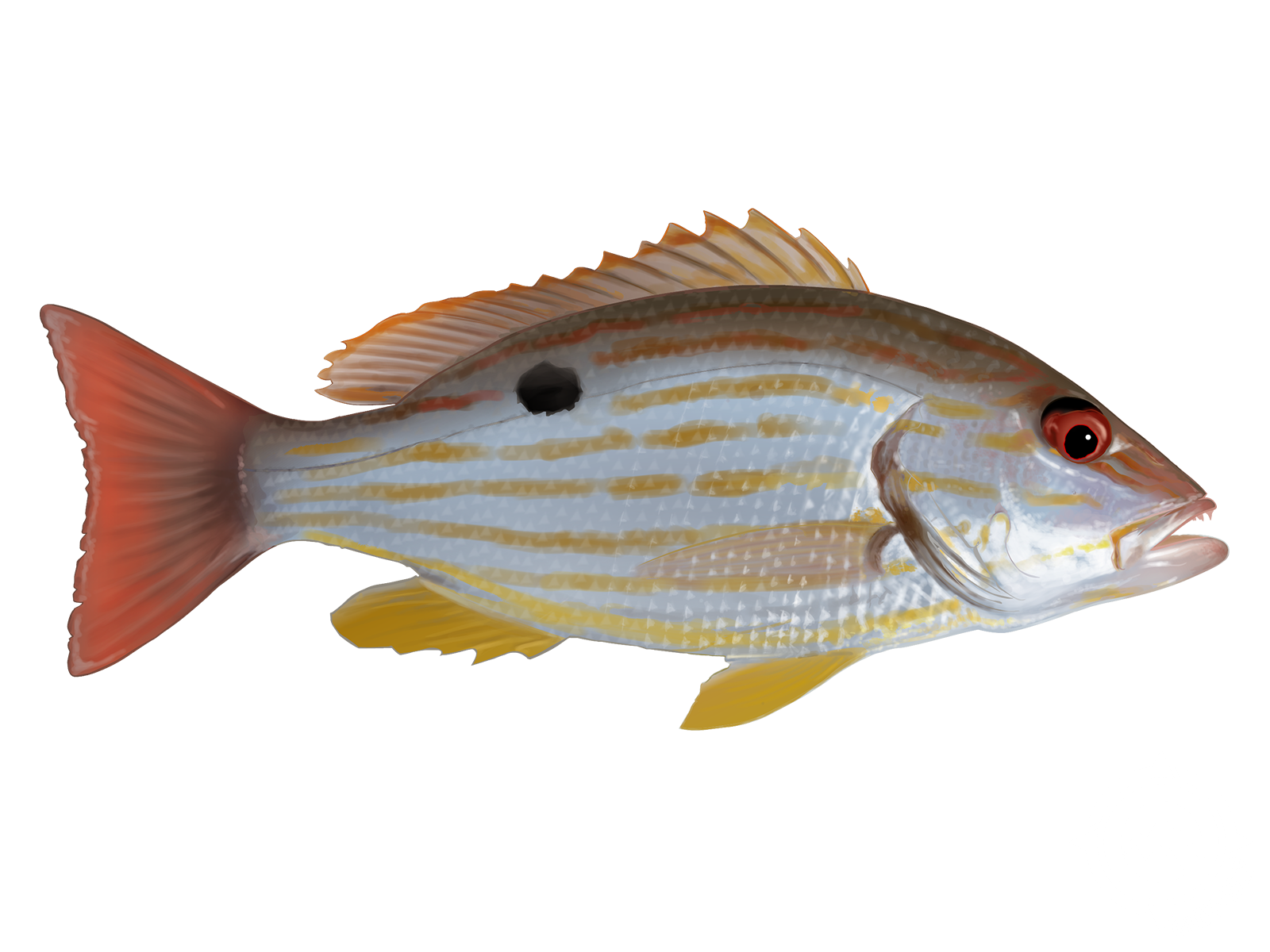 Lane Snapper
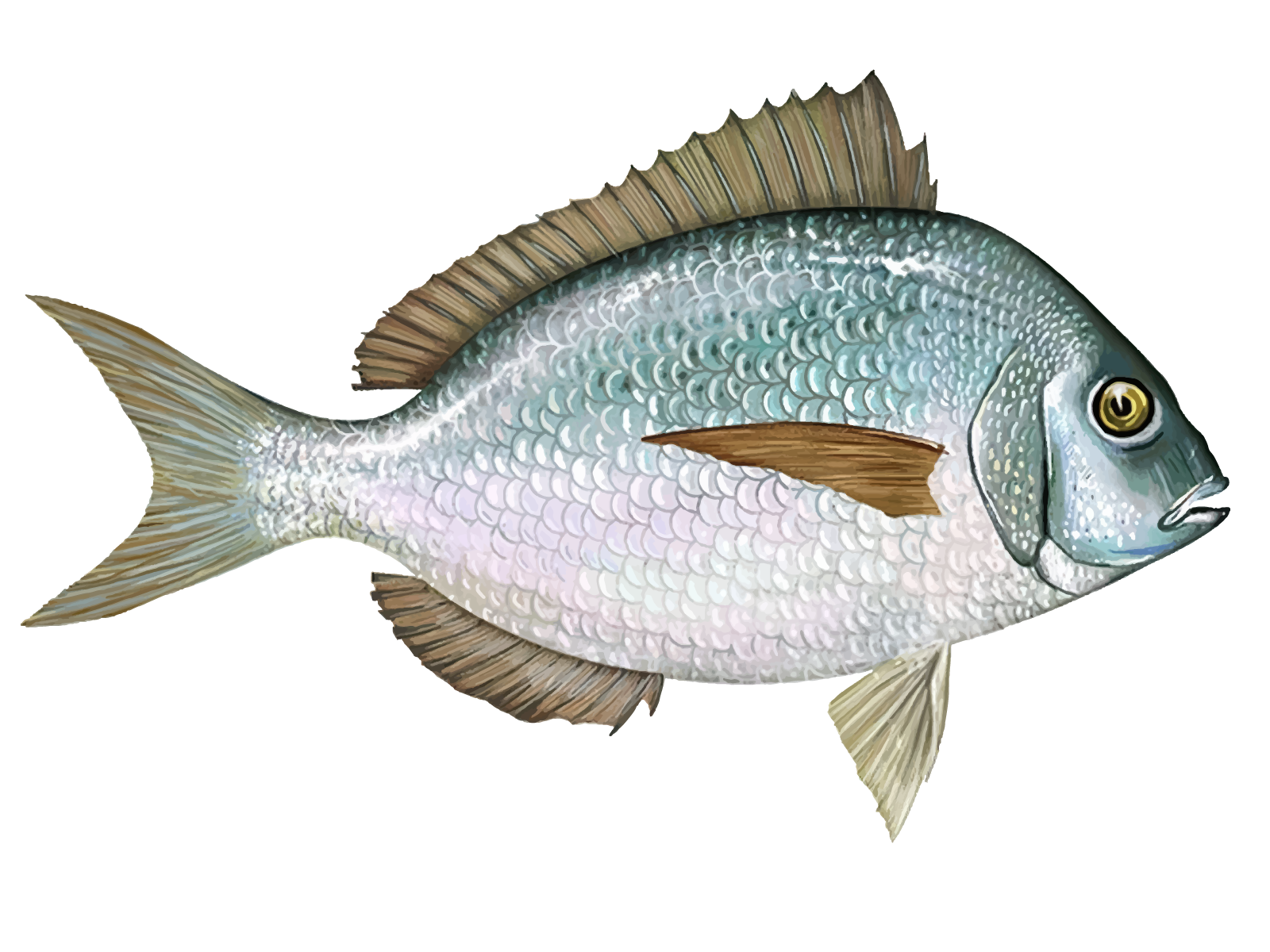 Scup
Scup Vermilion Rockfish
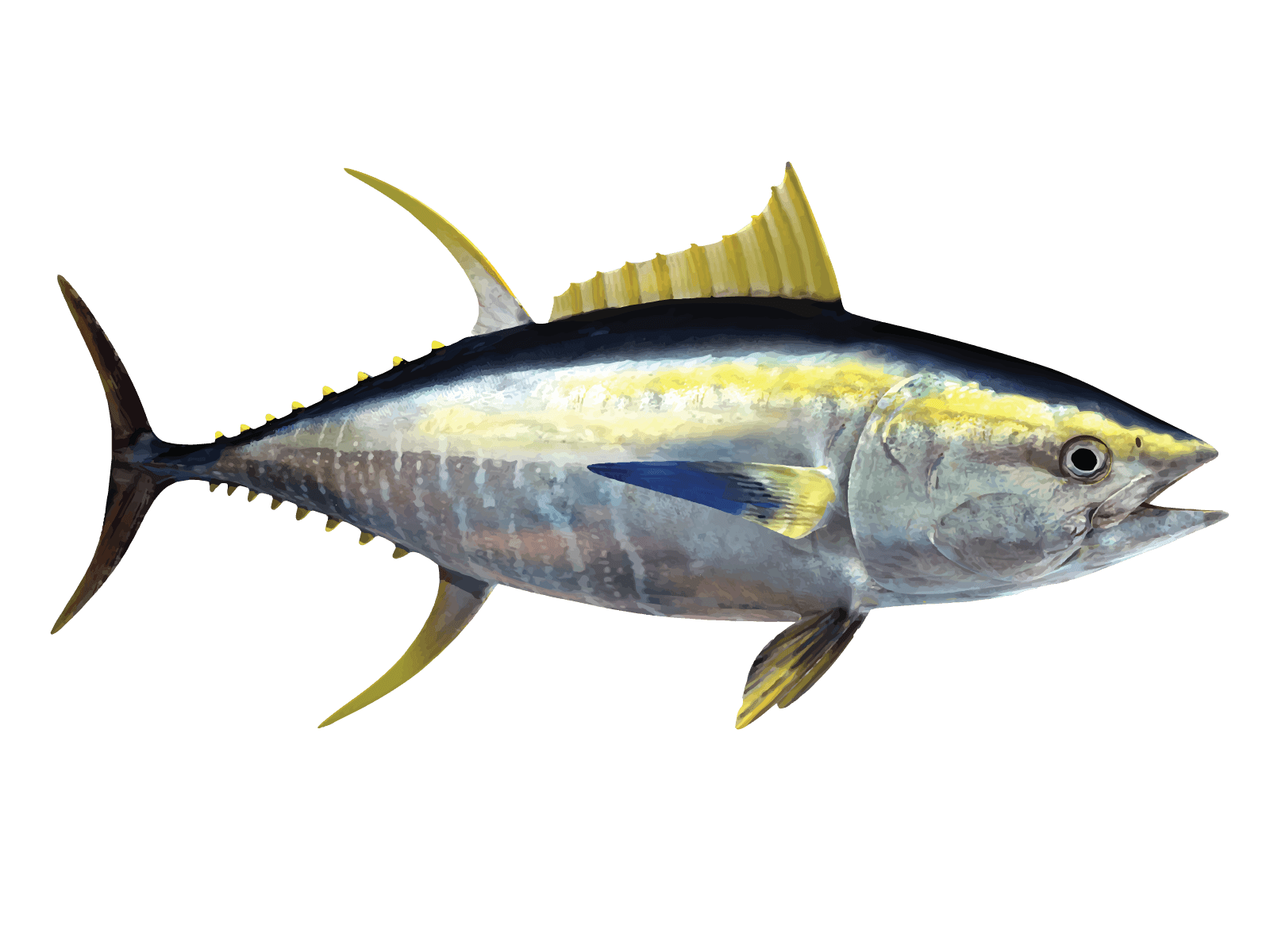
 Yellowfin Tuna
- Six-hour offshore charter targeting Red Snapper, Wahoo, Grouper, and Tuna
- Relaxing swimming stop included at Crab Island sandbar destination
- Professional captain provides all tackle, fuel for up to six guests
Trip Pricing and Availabilities:
Fort Walton Beach Nearshore Fishing & Crab Island
This top-rated 6-hour charter delivers the best of both worlds - serious nearshore fishing followed by the legendary Crab Island sandbar experience. Running Friday through Monday with space for up to 6 anglers, this dual-purpose trip has become a customer favorite for good reason. You'll spend quality time working productive nearshore waters targeting everything from Red Snapper to Yellowfin Tuna, then cruise over to Crab Island's crystal-clear shallows for swimming and relaxation. The professional captain handles all the navigation and provides tackle, fuel, and local knowledge that makes the difference between a good day and an epic one.
What to Expect on the Water
Your day kicks off with a briefing from your captain about conditions, target species, and the game plan. Fort Walton Beach's nearshore waters offer some of the Gulf's most consistent fishing, with structure and depth changes that hold baitfish and the predators that chase them. The first part of your trip focuses on putting fish in the cooler - expect to work depths from 40 to 120 feet targeting both bottom species and pelagics. Your captain reads the water, watches for birds, and positions the boat where the bite is hottest. After hours of focused fishing, you'll make the short run to Crab Island, where the boat anchors in shallow, emerald waters perfect for cooling off. The contrast between serious fishing and laid-back sandbar time creates the perfect balance that keeps groups coming back year after year.
Tackle Setup & Techniques
All fishing gear comes included, from heavy conventional rigs for bottom fishing to lighter tackle for working the mid-water column. Bottom fishing involves dropping circle hooks rigged with cut bait or whole sardines to depths where Grouper, Red Snapper, and various rockfish species hold tight to structure. The captain provides weights heavy enough to reach bottom in current, plus quality reels with smooth drags for when larger fish make their runs. For pelagic species like Wahoo and Tuna, expect to troll lures or work with live bait around floating debris and temperature breaks. The nearshore waters off Fort Walton Beach feature ledges, artificial reefs, and natural bottom structure that concentrate fish - your captain knows these spots and adjusts techniques based on what's biting best that day.
Species You'll Want to Hook
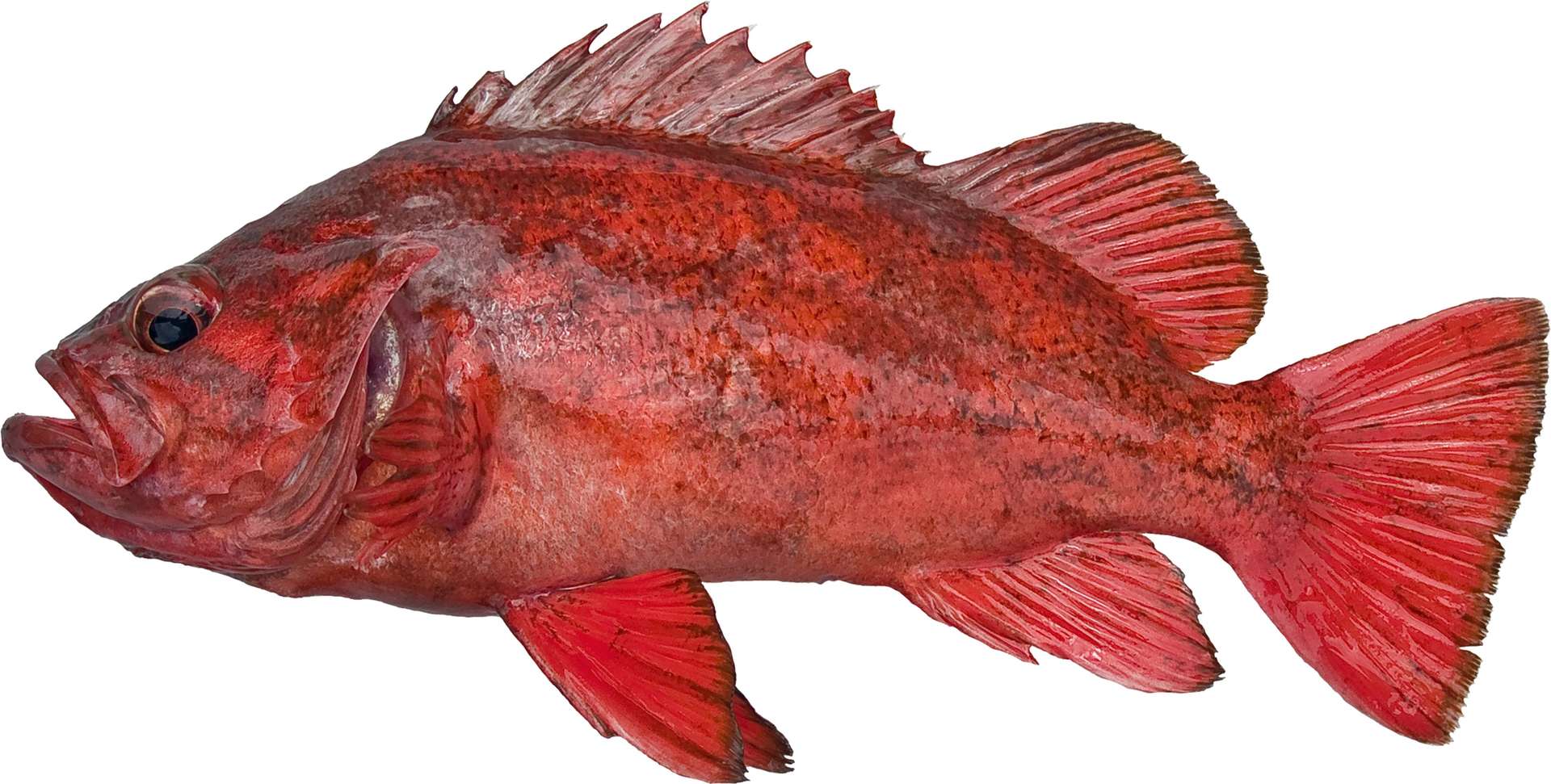
Vermilion Rockfish are one of the most reliable catches in these waters, typically running 12-16 inches and showing up in good numbers around rocky bottom and artificial reefs. They're aggressive biters that hit cut squid or small pieces of fish, making them perfect for newer anglers to build confidence. Peak action happens during cooler months when they move into shallower waters, though you'll find them year-round in deeper spots. Their bright red coloration and willingness to bite makes them a crowd-pleaser, plus they're excellent table fare with firm, white meat.
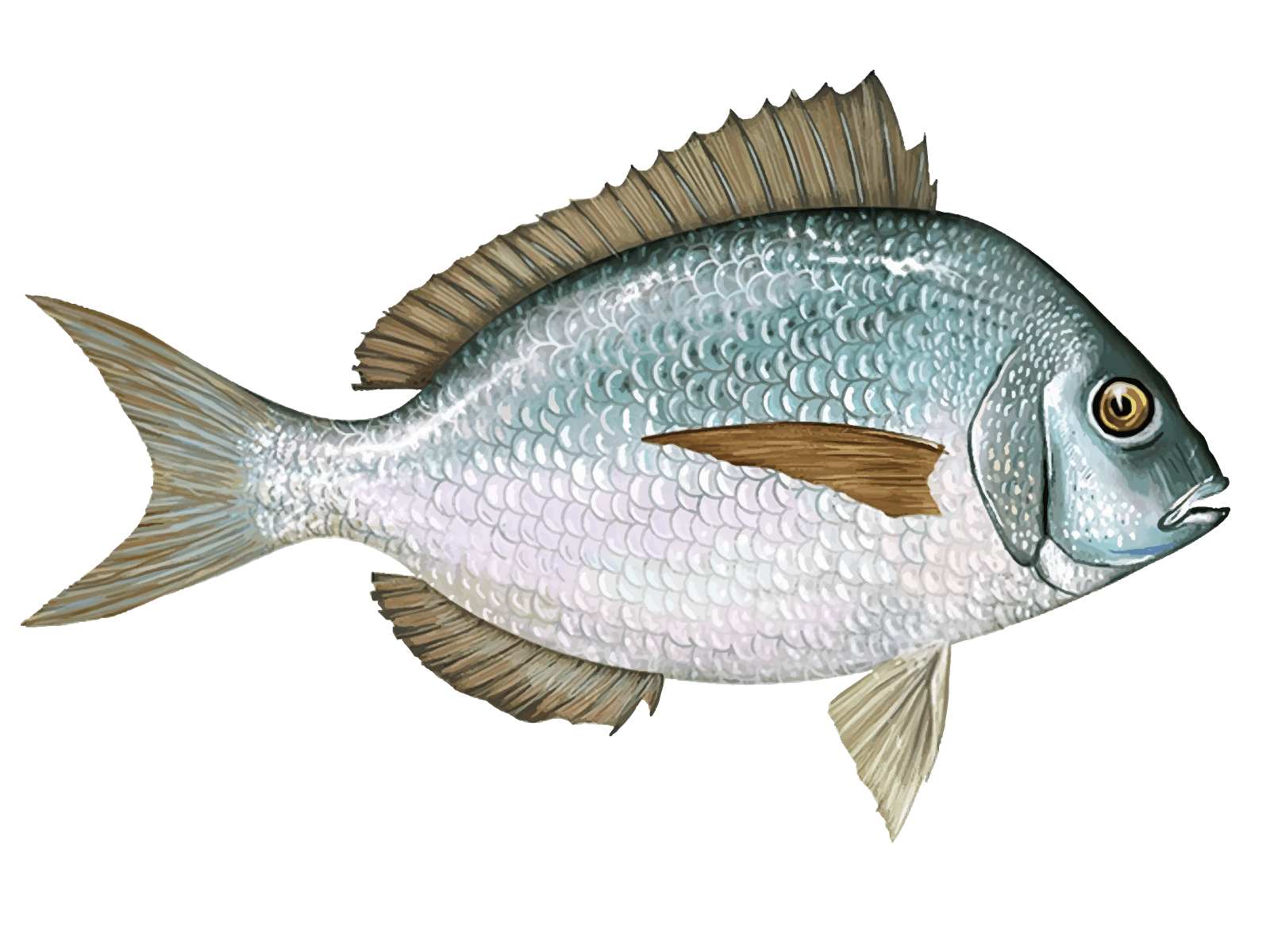
Scup, also known as Porgy, are smaller but scrappy fighters that often save the day when other species aren't cooperating. These 8-12 inch fish school up around structure and provide consistent action on light tackle. They're particularly active during spring and early summer months, often hitting small pieces of shrimp or cut bait. While they might not be the glamour species, experienced anglers appreciate their reliability and sweet, delicate flavor that rivals any fish in the Gulf.
Yellowfin Tuna represent the trophy potential of this fishery, with fish ranging from school-sized 15-pounders to bruisers pushing 100 pounds or more. These world-class gamefish show up around floating debris, temperature breaks, and offshore structure during warmer months. When hooked, they make blistering runs that test both tackle and angler skills. The meat quality is restaurant-grade, making every Yellowfin a prized catch that often becomes the centerpiece of the day's fish stories.
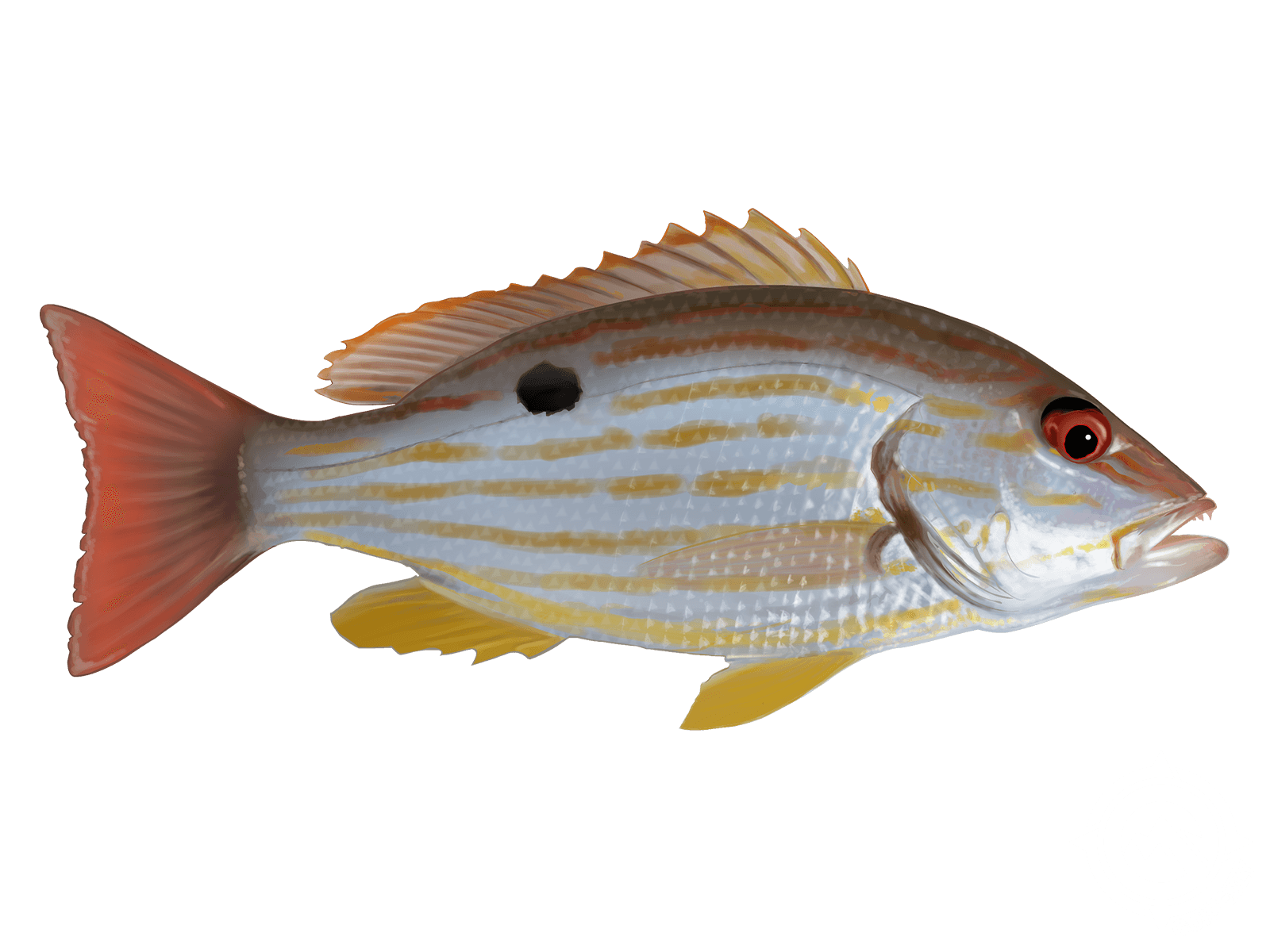
Lane Snapper are beautiful, colorful fish that typically run 8-14 inches and provide excellent light-tackle action around reefs and structure. They're active biters that hit small baits enthusiastically, making them perfect for keeping kids and newer anglers engaged. Best fishing happens during warmer months when they're most active in shallower waters. Their yellow stripes and pink hues make them photogenic catches, and their mild flavor appeals to even picky eaters.
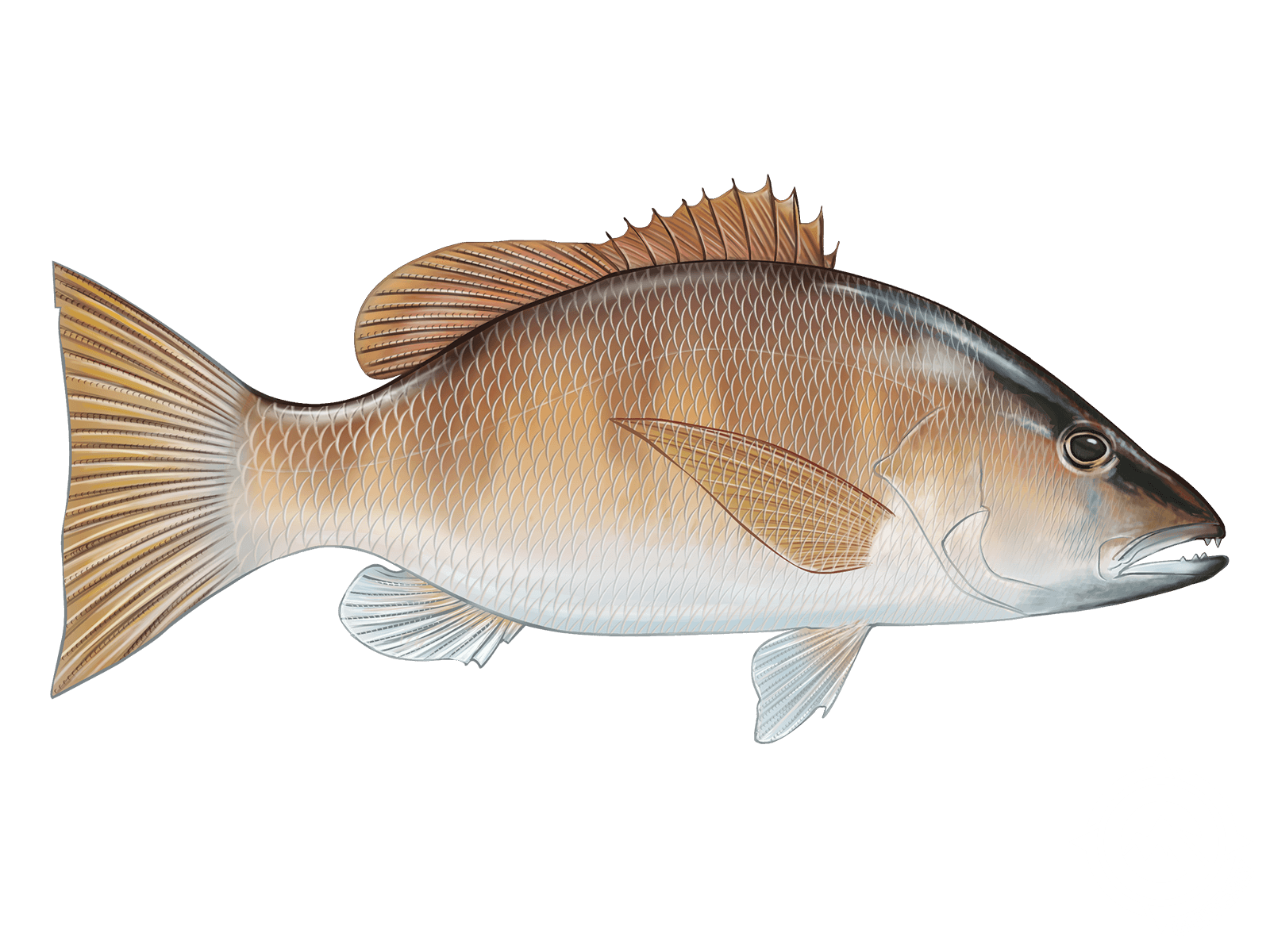
Grey Snapper, better known as Mangrove Snapper, are among the smartest fish in these waters and provide a real challenge for experienced anglers. These structure-loving fish require finesse - light leaders, small hooks, and natural presentations to fool their keen eyesight. They range from small juveniles to hefty 5-pound adults around deeper reefs. Landing a quality Mangrove Snapper takes skill and patience, but their reputation as one of the best-eating fish in the Gulf makes the effort worthwhile. They're most active during dawn and dusk periods when they venture out from heavy cover to feed.
Time to Book Your Spot
This renowned dual-purpose charter fills up quickly, especially during peak fishing seasons when both the nearshore bite and Crab Island conditions are at their best. The combination of serious fishing followed by sandbar relaxation creates an experience that satisfies every member of your group, whether they're hardcore anglers or just want to enjoy a day on the water. With tackle, fuel, and professional guidance included, you just need to bring snacks, drinks, and sunscreen. The Friday through Monday schedule gives you flexibility to work around weather and find the perfect day for your group. Book online to secure your preferred date and get ready for a day that combines the best fishing Fort Walton Beach has to offer with the area's most famous sandbar destination.
Learn more about the species
Grey Snapper
Grey Snapper, better known as Mangrove Snapper, are smart copper-colored fish that average 1-2 pounds inshore but can reach 20 pounds in deeper water. They're nocturnal hunters that love structure - docks, rocks, mangroves, and wrecks where they can ambush prey. You'll find them year-round in warm Gulf waters, but they're most active at night and during low-light periods. What guests love is the challenge - these fish are wary and the excellent white, flaky meat. They're opportunistic feeders, so live shrimp hooked through the tail or mud minnows work best. The secret is patience and stealth. Drop your bait to the bottom near structure, lift it just off the bottom, then let it sit still. Too much movement spooks them. When you feel that tap, don't jerk - let them take it before setting the hook gently.
Lane Snapper
Lane Snappers are pretty little fish with pink bodies and yellow racing stripes that typically run 10-14 inches. They're found around coral reefs and sandy areas with vegetation, usually in 69-230 feet of water, though you can catch them shallower too. March through September is peak season when they're spawning and more aggressive. What makes them special is they're often a surprise bonus when targeting other snappers - that's why we call them "dessert fish." They eat great and aren't too picky about baits, hitting shrimp, squid, and cut bait readily. These fish are less spooky than other snappers but will still give you a good fight once hooked. Best tip is to fish at night when they're most active, and don't be surprised if you hook into a hybrid cross with yellowtail snapper - it happens more often than you'd think around here.
Scup
Scup, also called porgy, are scrappy little fighters that run 12-18 inches and up to 4 pounds. These silvery fish with rainbow-tinted scales love rocky areas and pilings where they crush mollusks and worms with their strong jaws. They're seasonal visitors here, showing up in warmer months from May through October before heading south for winter. What guests love about scup is how aggressive they are - they'll hit squid, worms, or clams on medium tackle with 14-pound test. Perfect for beginners since they're easy to catch and great eating. The trick is to drop your bait to the bottom near structure, then jig it slowly up and down. When you feel that distinctive tug, set the hook quick - their small mouths make it easy for them to spit the hook if you're not paying attention.
Vermilion Rockfish
Vermilion Rockfish are bright red beauties with black mottling that average 14-22 inches and can hit 15 pounds. You'll find them around rocky bottoms and reefs in 100-500 feet of water, where they like to stick close to structure. These fish are homebodies - they'll stay in the same area for years once they find a good spot. What makes them fun to target is their willingness to bite and their excellent table fare. They'll hit squid strips, small fish, or even bare hooks at times. The key is using light tackle with a two-hook bottom rig when fishing deeper water. Drop your bait right to the bottom near rocks or reefs, then bring it up just a foot or two to avoid snags while staying in the strike zone.
Yellowfin Tuna
Yellowfin Tuna are the speed demons of our waters, hitting 50 mph with their torpedo-shaped bodies and bright yellow fins. Most of what we catch runs 60 pounds, but they can reach 400-plus. These warm-blooded fish cruise the upper 300 feet of open water year-round, making them perfect for our nearshore trips. Summer months from May through August are prime time when they're spawning in the Gulf. Guests go crazy for yellowfin because of their powerful runs and world-class sashimi quality meat. When trolling doesn't work and you're marking fish deep, switch to jigging - that's often the game-changer. If you see birds working or fish breaking the surface, grab a casting rod and throw poppers or plugs. Nothing beats watching a yellowfin explode on a surface lure in a shower of spray.