/filters:format(jpeg,png)/fit-in/300x300/guide_websites/132277/images/1777092540046logo.png)
/filters:format(jpeg,png)/fit-in/237x80/guide_websites/132277/images/1777092540046logo.png)
/users/dbf1edd8-e314-4efb-bc6e-4b87194fc442/ratecard/little-tunny-fort-walton-beach-2682-mqt826ag.jpg)
%2F300x300%2Fusers%2Fdbf1edd8-e314-4efb-bc6e-4b87194fc442%2Fratecard%2Flittle-tunny-fort-walton-beach-2682-mqt826ag.jpg&w=256&q=75)
%2F300x300%2Fusers%2Fdbf1edd8-e314-4efb-bc6e-4b87194fc442%2Fimages%2Fcharter-captain-pointing-marina-dock-2564.jpg&w=256&q=75)
%2F300x300%2Fusers%2Fdbf1edd8-e314-4efb-bc6e-4b87194fc442%2Fimages%2Fjet-ski-fishing-boat-water-2555.jpg&w=256&q=75)
%2F300x300%2Fusers%2Fdbf1edd8-e314-4efb-bc6e-4b87194fc442%2Fimages%2Ffishing-boat-electronics-setup-2508.jpg&w=256&q=75)
%2F300x300%2Fusers%2Fdbf1edd8-e314-4efb-bc6e-4b87194fc442%2Fimages%2Ffishing-boat-water-adventure-ready-2620.jpg&w=256&q=75)
%2F300x300%2Fusers%2Fdbf1edd8-e314-4efb-bc6e-4b87194fc442%2Fimages%2Fsea-lion-resting-marina-dock-2642.jpg&w=256&q=75)
%2F300x300%2Fusers%2Fdbf1edd8-e314-4efb-bc6e-4b87194fc442%2Fimages%2Fmarina-bay-pier-sign-2573.jpg&w=256&q=75)
%2F300x300%2Fusers%2Fdbf1edd8-e314-4efb-bc6e-4b87194fc442%2Fimages%2Fcharter-boat-captain-ready-adventure-2493.jpg&w=256&q=75)
%2F300x300%2Fusers%2Fdbf1edd8-e314-4efb-bc6e-4b87194fc442%2Fimages%2Fmarina-boats-ready-for-adventure-2525.jpg&w=256&q=75)
%2F300x300%2Fusers%2Fdbf1edd8-e314-4efb-bc6e-4b87194fc442%2Fimages%2Fpontoon-boat-docked-at-pier-2574.jpg&w=256&q=75)
%2F300x300%2Fusers%2Fdbf1edd8-e314-4efb-bc6e-4b87194fc442%2Fimages%2Fmarina-pontoon-adventure-2516.jpg&w=256&q=75)
Fort Walton Beach Full Day Family Fishing Trip
 Fort Walton Beach, FL
What you will be catching:
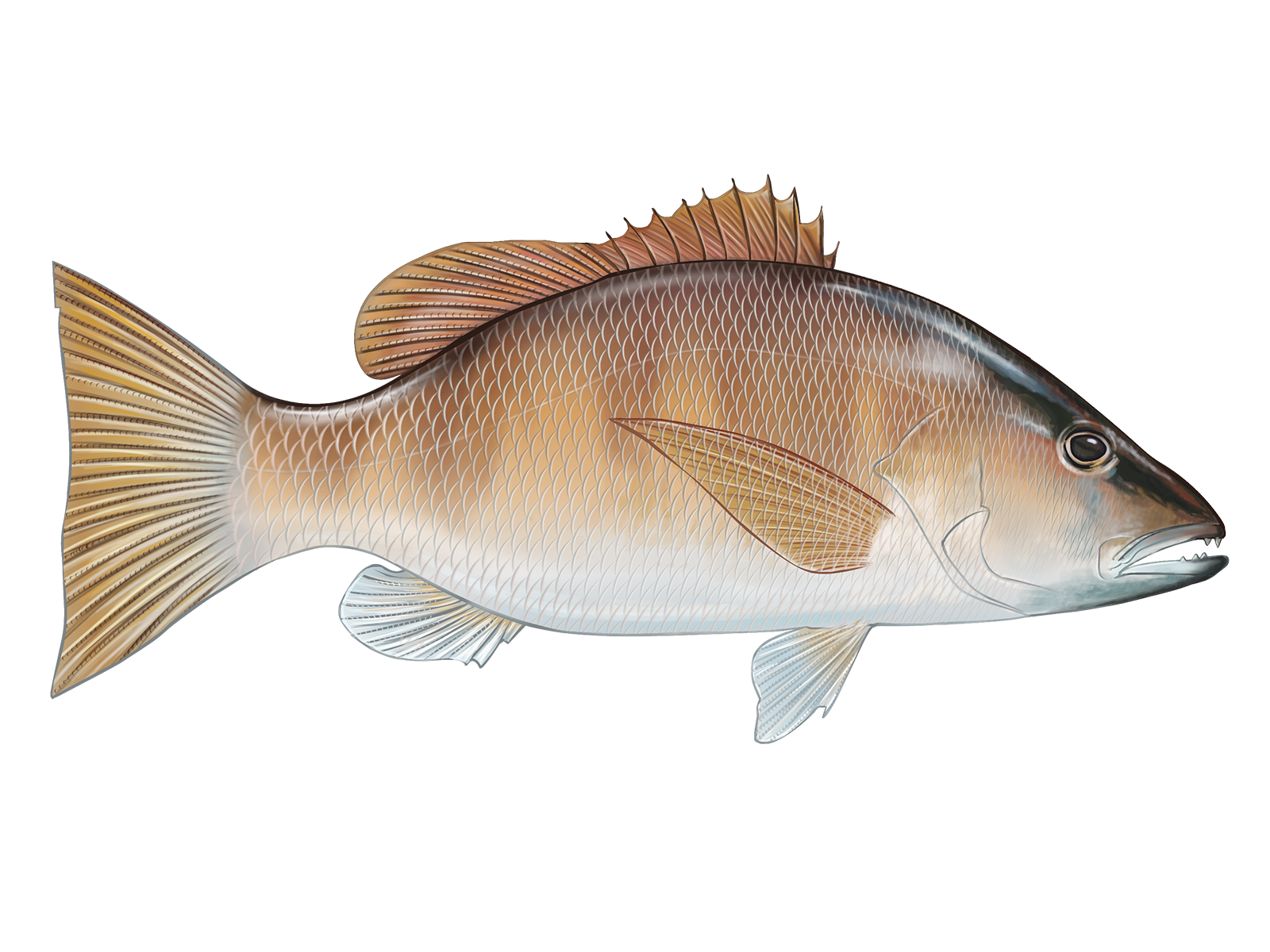 Grey Snapper
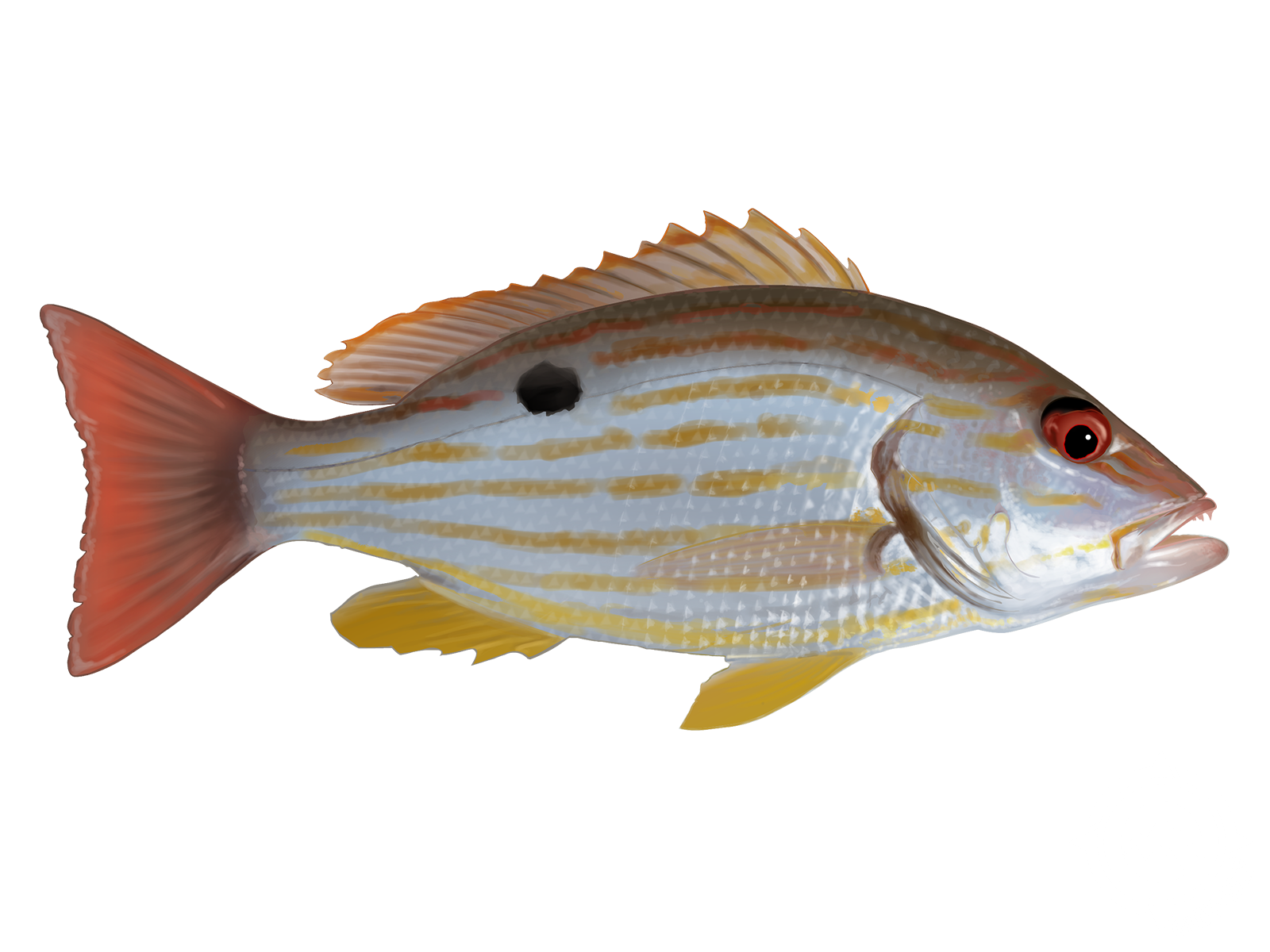 Lane Snapper
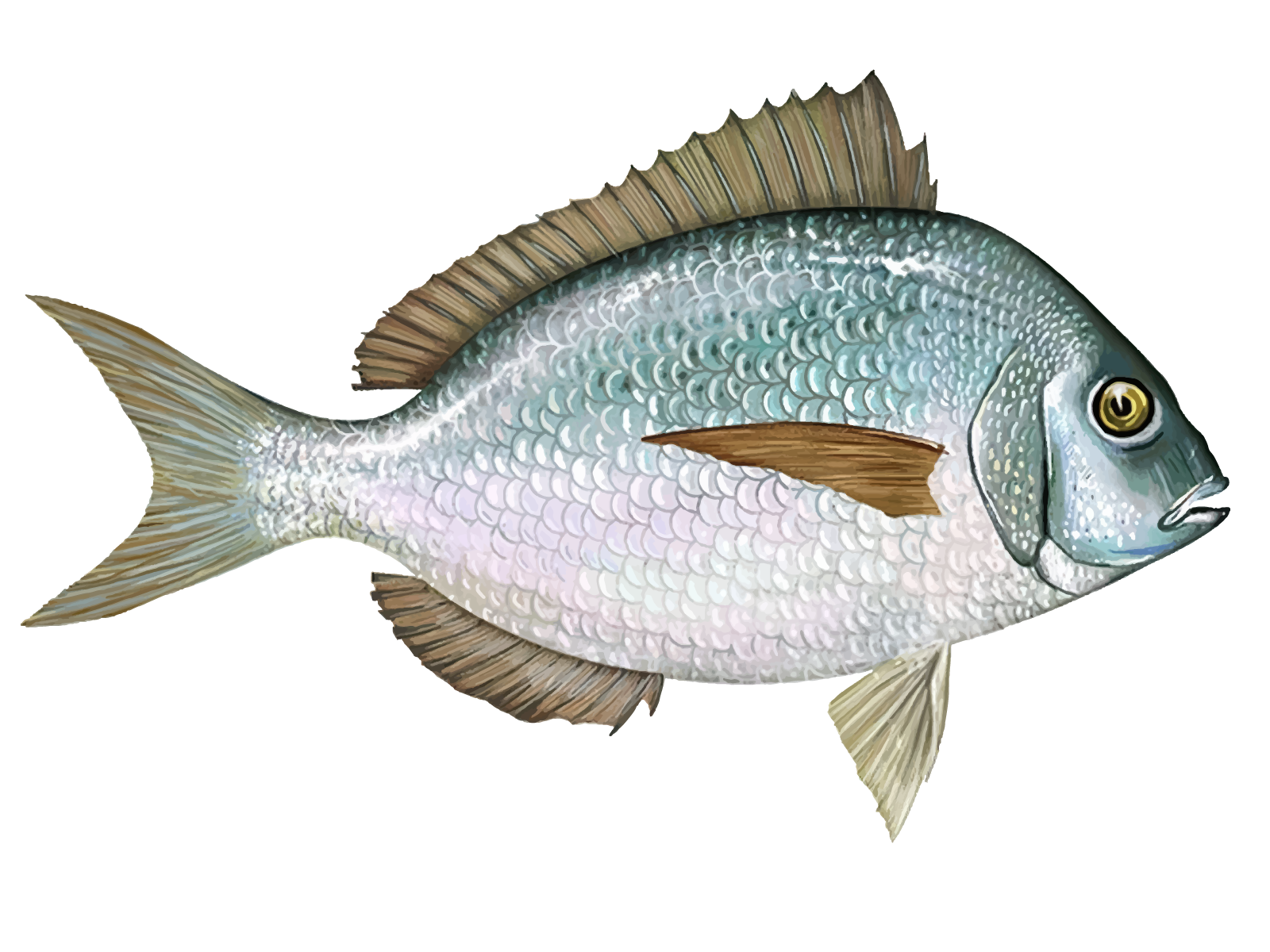 Scup
Scup Vermilion Rockfish
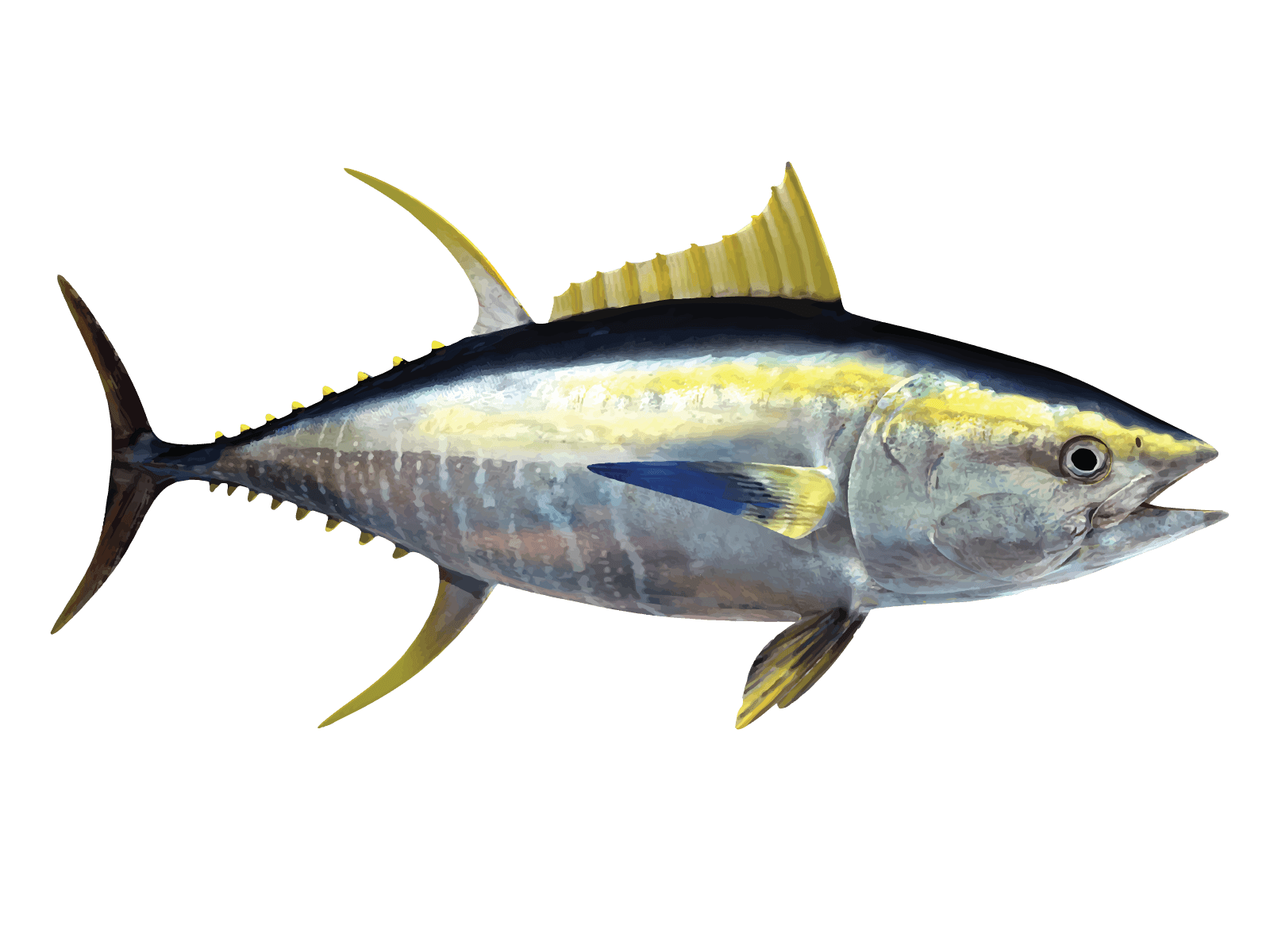
 Yellowfin Tuna
- Eight-hour offshore charter targeting multiple fish species
- Professional captain supplies all gear, fuel, and licenses
- Private groups accommodate up to six beginners maximum
Trip Pricing and Availabilities:
Fort Walton Beach Full Day Family Fishing Trip
Picture this: you and your crew heading out at sunrise for a full 8-hour day of serious fishing action in the crystal-clear waters off Fort Walton Beach. This top-rated charter with Pelican Pontoon Company is built specifically for families and folks just getting their sea legs, but don't think that means we're messing around out there. We're talking about a legitimate wreck fishing adventure that'll have you battling some of the Gulf's most sought-after species while learning the ropes from a seasoned captain who knows these waters like the back of his hand.
What to Expect on the Water
Your captain will have you rigged and ready before you even clear the harbor, because when you're burning 8 hours of fuel to get to the good stuff, every minute counts. We're heading straight to the productive wrecks and structure that hold the big fish - those underwater steel graveyards that amberjack, cobia, and king mackerel call home. The boat accommodates up to 6 anglers comfortably, so whether you're bringing the whole family or a small group of buddies, everyone gets plenty of elbow room and personalized attention. Your captain handles all the heavy lifting - from reading the fish finder to setting up the spread - while you focus on what matters: getting your line in the water and learning how to work these wrecks like a pro. Available Monday, Friday, Saturday, and Sunday, this charter fills up fast during peak season, especially when the kings are running thick.
Wreck Fishing Techniques
Wreck fishing isn't your typical cast-and-hope approach - it's a calculated game that requires the right gear, proper technique, and a captain who can hold the boat in position over structure in 60-100 feet of water. Your captain provides all the tackle you'll need, from heavy conventional reels spooled with 50-pound test to the circle hooks and sinkers sized perfectly for these depths. The name of the game is vertical jigging and live bait fishing around the wreck's sweet spots - those edges and corners where predators ambush baitfish. You'll learn how to drop your rig straight down, feel the bottom, then work it up in the strike zone where the big fish cruise. When something grabs your bait 80 feet down, there's no mistaking it - these Gulf wrecks produce arm-burning fights that'll test your drag and your stamina. The captain reads the GPS, sonar, and current to keep you positioned perfectly over the hottest sections of each wreck.
Top Catches This Season
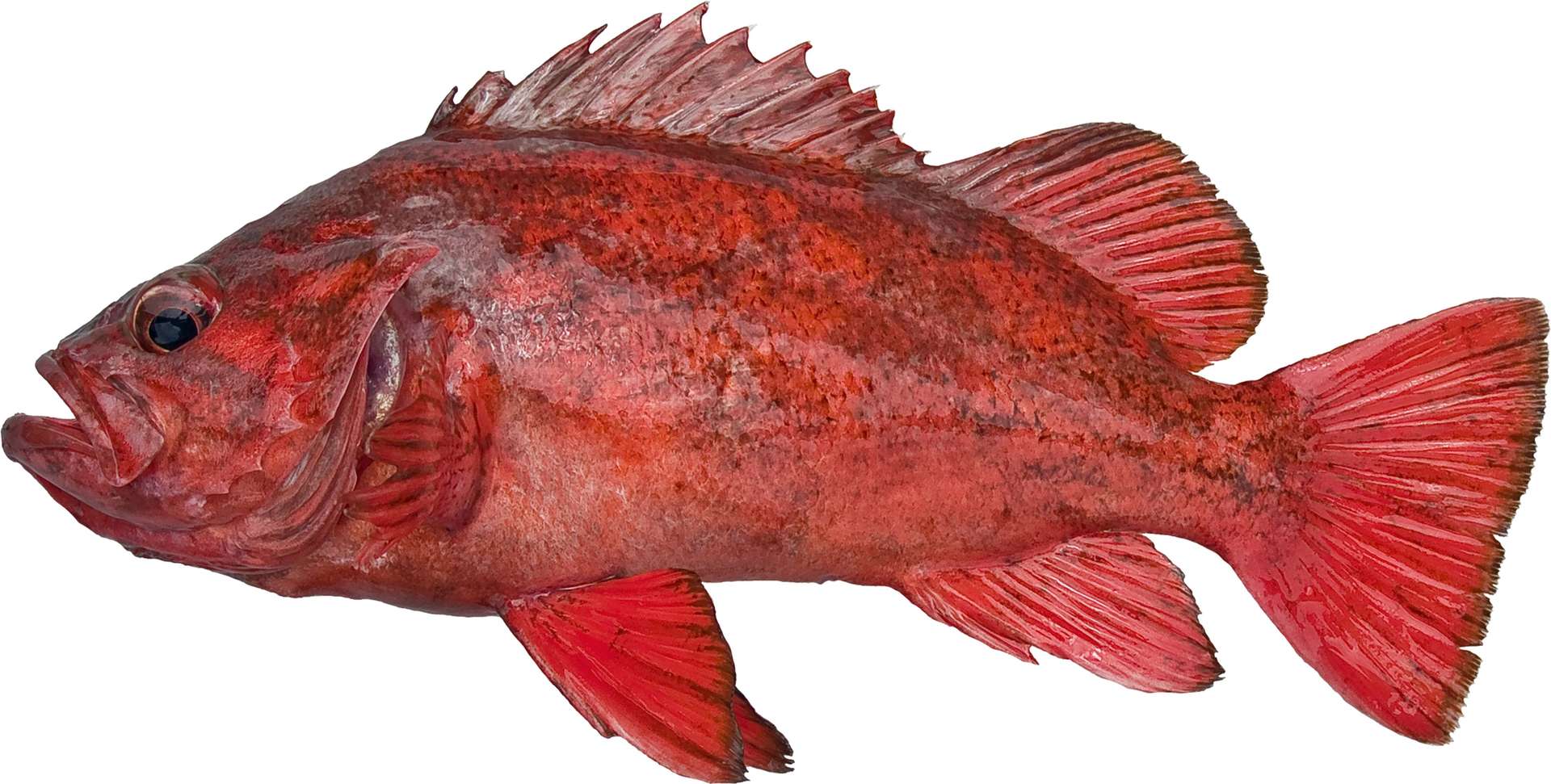
Vermilion Rockfish are the bread and butter of wreck fishing here, and for good reason - these beautiful red snappers stack up thick around structure and fight like fish twice their size. Most vermilions run 2-5 pounds, but don't let that fool you. On light tackle, they'll make multiple runs for the wreck and test your ability to keep them out of the steel. Best part? They're fantastic table fare and relatively easy for beginners to master. Peak season runs spring through fall, with the biggest concentrations showing up when water temps hit that sweet spot in the 70s.
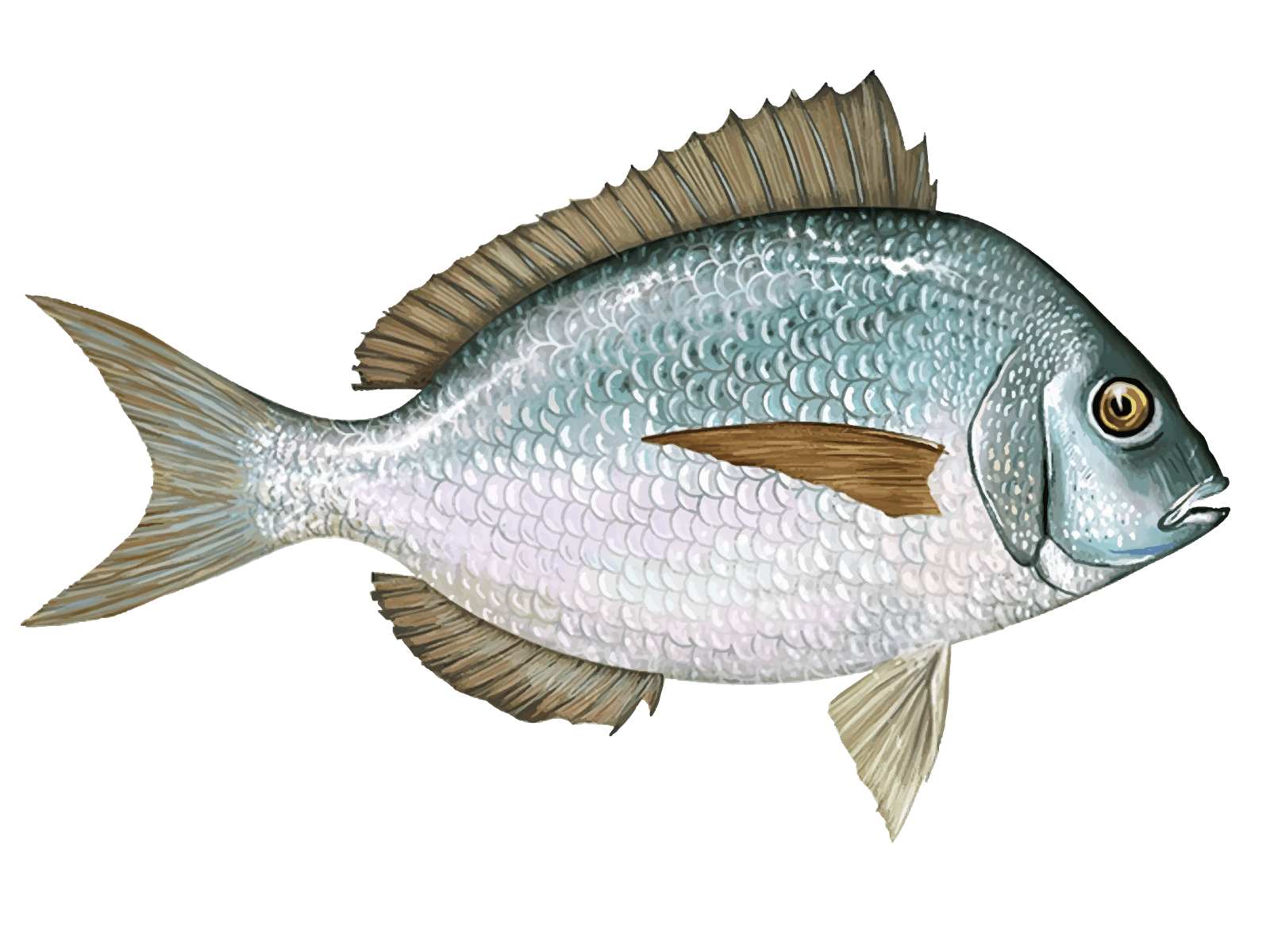
Scup might not be the flashiest name on the fish board, but these silver beauties are customer favorites for a reason. They school up in huge numbers around wrecks during summer months, creating non-stop action that keeps kids and novice anglers engaged all day long. Running 1-3 pounds on average, scup are perfect for learning proper hook-setting technique and fish-fighting fundamentals. Plus, they're excellent eating - firm white meat that holds up great on the grill or in the fryer.
Yellowfin Tuna represent the holy grail of this fishery, and when conditions align, these wrecks can produce world-class action. Most yellowfins here run 20-60 pounds, though larger fish push through during migration periods in late summer and fall. These are legitimate gamefish that'll test every knot and connection on your rig. The fight is pure adrenaline - long, powerful runs that strip line off your reel like a freight train. Landing your first yellowfin is a milestone that turns casual anglers into serious offshore addicts.
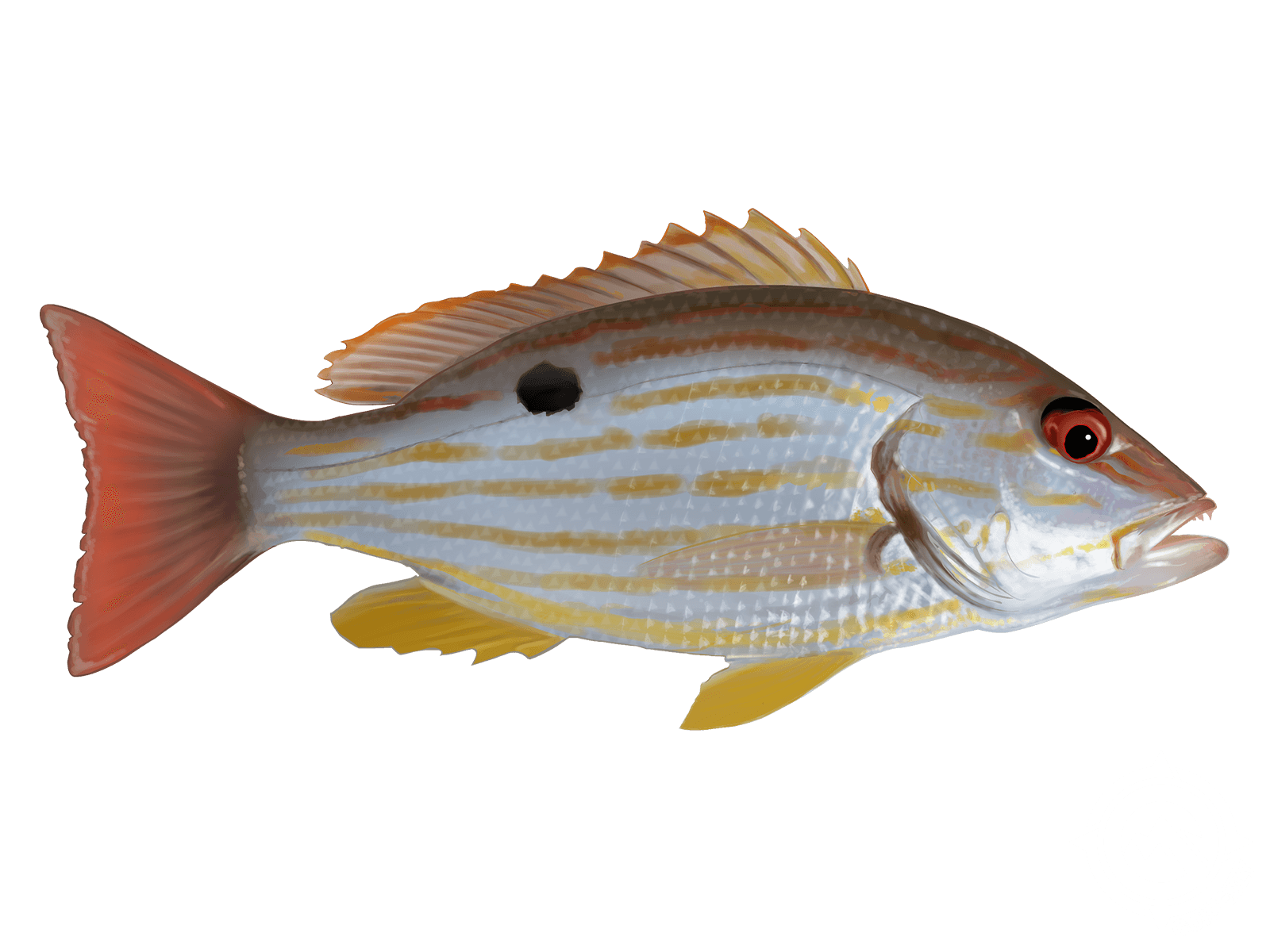
Lane Snapper provide consistent action when the bigger species are finicky, and their aggressive nature makes them perfect confidence builders for newer anglers. These colorful fish rarely exceed 2 pounds, but they make up for size with attitude and numbers. When you find a school of lanes, it's not uncommon to boat 20-30 fish in a short window. They hit everything from cut bait to small jigs, and their willingness to bite makes them invaluable for keeping the action going during slow periods.
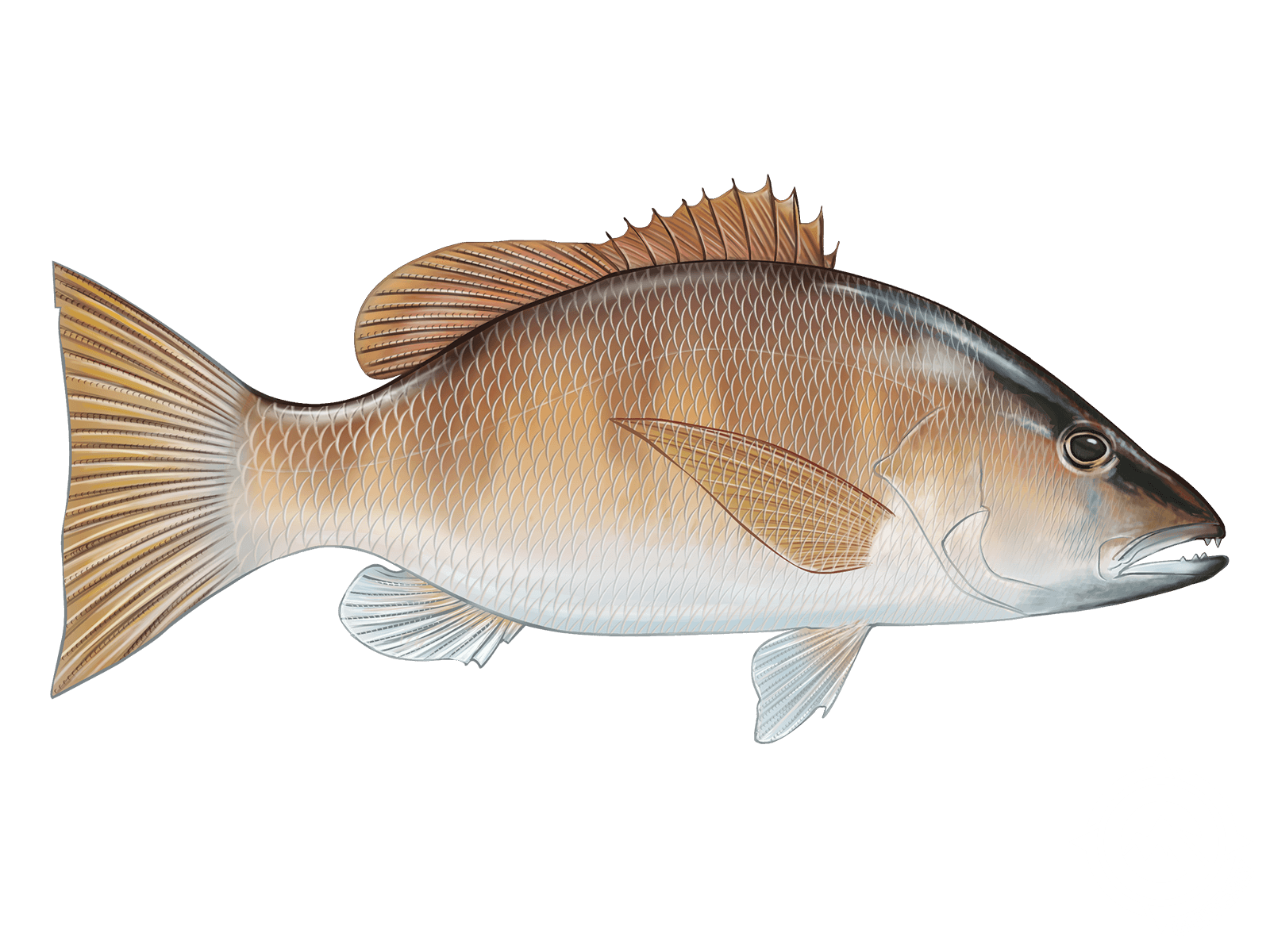
Grey Snapper, or mangrove snapper as locals call them, are the craftiest residents of these wrecks. These fish have seen every trick in the book, making them a genuine challenge even for experienced anglers. Running 3-8 pounds typically, grey snapper require finesse presentations and hair-trigger hook sets. When you outsmart a big grey snapper on light tackle, you've accomplished something special. They're also premier table fare - many consider them the best-eating snapper species in the Gulf.
Time to Book Your Spot
This isn't your typical tourist fishing trip where you're hoping to catch a few throwbacks for photos. This is legitimate wreck fishing that puts serious fish in the cooler while teaching you skills you'll use for years to come. With fuel, gear, licensing, and captain expertise all included, you're getting exceptional value for a full day of world-class fishing. The combination of family-friendly atmosphere and productive fishing makes this charter a rare find in today's market. Check the online calendar and lock in your preferred date - the best fishing days book solid weeks in advance, especially during prime season when these wrecks are firing on all cylinders.
Learn more about the species
Grey Snapper
Also called mangrove snapper, these copper-red fish are some of the smartest fighters we target. They run 1-2 pounds inshore but can hit 20 pounds in deeper water. You'll find them around any structure - docks, wrecks, reefs, and mangroves where they ambush prey. They're most active at night and during low-light periods. The meat is outstanding - white, flaky, and mild. These opportunistic feeders can be picky, so patience pays off. Live shrimp hooked through the tail works best, but they'll take mud minnows and cut bait too. Key tip: let your bait sit still - too much movement spooks them.
Lane Snapper
Lane snappers are the pretty pink-and-yellow striped fish that often show up as bonus catches when we're targeting other bottom species. They typically run 10-14 inches and 3-7 pounds, living around coral reefs and sandy areas with vegetation. Spring through fall is prime time, especially March to September during their spawn. These aggressive little fighters aren't shy about taking hooks, but they'll give you a solid battle once hooked. Great eating with sweet, flaky meat. They bite best at night on shrimp, squid, or cut bait. Tip: when targeting bigger snappers, downsize your hooks - lane snappers have smaller mouths but big appetites.
Scup
Scup, also called porgy, are Atlantic coast fish with compressed silver bodies that show rainbow colors in the sunlight. They typically run 12-18 inches and weigh up to 4 pounds, living up to 20 years. These bottom feeders crush shells with strong jaws, hunting around rocks and pilings for mollusks and worms. From May through October, they move inshore with warmer water, then head south and deep when it cools. While scup aren't native to our Gulf waters off Fort Walton Beach, they're great eating and easy to catch with medium tackle and natural baits like squid or clam. They make excellent live bait for bigger gamefish too.
Vermilion Rockfish
These bright red beauties with their black-mottled backs are actually Pacific natives, so you won't find them in our Gulf waters off Fort Walton Beach. They typically run 14-22 inches and live around rocky reefs in 100-500 feet of water. Out west, anglers love targeting them with light tackle and squid strips near the bottom structure. These fish can live up to 100 years and become territorial around their home spots. While we don't have vermilion rockfish here in the Gulf, we've got plenty of other great snapper and grouper species that offer similar bottom fishing action on our reefs and wrecks.
Yellowfin Tuna
Yellowfin tuna are the speedsters of our offshore waters, hitting 50 mph with their torpedo-shaped bodies. Most catches run around 60 pounds, though they can reach 400+. Look for them in the top 100 feet during summer months when water temps are right. These warm-blooded fish are incredible table fare - sushi-grade meat that grills beautifully. They'll hit trolled ballyhoo, skirted lures, and topwater plugs with explosive strikes. Best action happens around current breaks and floating debris. Pro tip: when trolling isn't working, switch to vertical jigging - sometimes they're sitting deeper and won't chase surface baits.